
The stakes on a VIP flight are unforgiving. A single mishandled meal can trigger an allergic reaction at 40,000 feet, breach diplomatic protocol, or force a costly diversion. Yet many flight departments still book caterers on reputation alone, without a structured vetting process behind the decision. In 2025, with private aviation traffic reaching new highs and regulatory scrutiny tightening across Europe, the Gulf, and North America, the risk of choosing the wrong partner has never been higher. This guide walks corporate flight attendants, dispatchers, and charter operators through a rigorous framework for evaluating any airport caterer before the wheels leave the ramp. The goal is simple: reduce operational risk, protect passenger safety, and secure consistent quality regardless of the airport or time zone.
Why Vetting Matters More in 2025
Private jet movements grew sharply through 2025, with the National Business Aviation Association reporting sustained demand from ultra high net worth travelers and Fortune 500 flight departments. That growth has stretched supplier networks thin at popular hubs like Le Bourget, Farnborough, and Teterboro. Vetting is no longer optional. It is the frontline defense against food safety incidents, cultural missteps, and delivery failures that can ripple across an entire trip. The framework below filters that risk before any purchase order is signed.
Step 1: Verify Food Safety Certifications
The first filter is regulatory. Ask for documented HACCP compliance and cross check against the FDA guidance on food safety for commercial handlers, which sets the baseline for any operator preparing meals for onboard consumption. Reputable airport catering companies will provide certificates on request, along with kitchen audit reports from independent third parties. If a supplier hesitates or offers vague verbal assurances, treat it as a red flag. Safety is the one area where documentation must precede trust.
Documents to request
- Current HACCP certification with expiry date
- Local health authority licenses for each kitchen used
- Recent independent inspection or audit reports
- Cold chain temperature logs from the last 90 days
Step 2: Assess the Global Network and Airport Reach
A caterer that dominates one city may be invisible at your next stop. Modern flight departments need suppliers who can execute reliably across continents, from Nice and Zurich to Dubai and Singapore. Ask for a live list of covered airports, response times at each location, and named local partners on the ground. Dark Wing Inflight, for example, operates across more than 2,000 airports through a network of 2,800 vetted partners, which removes the guesswork on unfamiliar routes and secondary fields where local knowledge decides the outcome.
Questions to raise
- How many airports do you cover directly versus through partners?
- What is the minimum lead time at secondary and remote fields?
- Who is the named on the ground contact at each location?
- What backup partners exist if the primary supplier fails?
Step 3: Examine Culinary Credentials
VIP passengers expect food that matches the restaurants they frequent on the ground. Vet the culinary side by asking who prepares the meals. Michelin starred chefs, five star hotel kitchens, and reputable independent caterers all bring different strengths, and a serious airport catering service will name its chef partners, share sample menus, and offer tastings when logistics allow. For a sense of what a top tier operator delivers, our overview of premium private jet catering and bespoke meal options shows how established providers structure their culinary programs.
Look for evidence of
- Michelin or equivalent international recognition
- Experience with kosher, halal, vegan, and medical diets
- Regional cuisine authenticity rather than generic global menus
- Willingness to design bespoke menus for repeat passengers
Step 4: Test Communication and Response Times
At 2 a.m. local time, when your principal decides to divert to a different FBO, response speed defines the relationship. Send a test inquiry outside business hours before committing. Track how quickly the caterer confirms receipt, offers alternatives, and provides transparent pricing. A 24/7/365 operations desk with multilingual staff is now the benchmark, not a premium feature.
Step 5: Review Cultural and Dietary Sensitivity
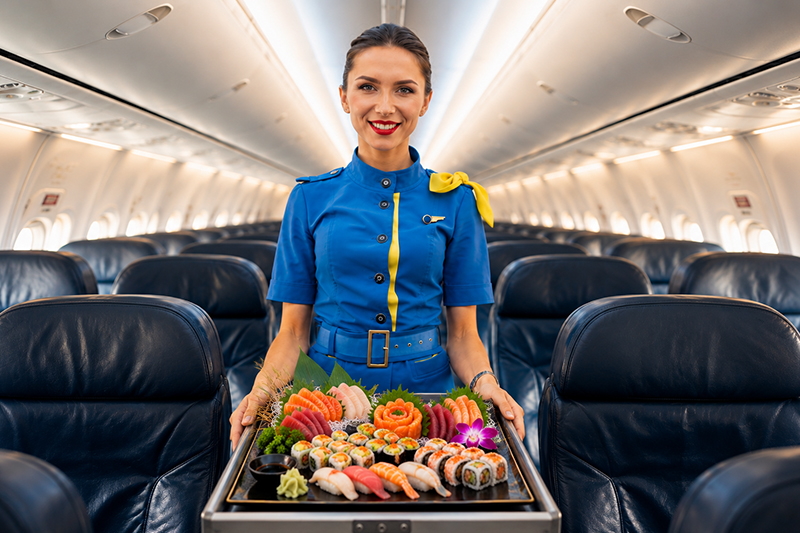
International itineraries demand cultural fluency. A caterer serving a Saudi delegation must understand halal certification depth, alcohol restrictions, and the significance of dates in traditional hospitality. Serving a Japanese principal in Nice requires knowledge of authentic sushi handling and rice sourcing standards. Ask how the caterer sources culturally specific ingredients and whether it employs chefs trained in those traditions. Our reference on the rules of catering on private jets outlines the protocol expectations that repeat clients quietly assume every operator already knows.
Common differentiators
- Kosher supervision level: glatt, mehadrin, or standard
- Halal source transparency at ingredient level
- Allergen segregation and cross contact protocols
- Alcohol free service etiquette for diplomatic missions
Step 6: Confirm Cold Chain and Delivery Logistics
Food safety fails most often between the kitchen and the aircraft. Ask about refrigerated vehicles, ramp access permissions, and packaging standards. The World Health Organization guidance on food hygiene emphasizes unbroken temperature control from preparation to service, which is especially critical for long range flights with limited galley refrigeration. Request written protocols and, where possible, a walkthrough of the delivery flow at your busiest airports.
Step 7: Evaluate Pricing Transparency
Cheap catering usually gets expensive. Vague quotes, hidden ramp fees, and last minute surcharges signal poor operational discipline. A trustworthy provider itemizes ingredients, service fees, delivery charges, and airport handling costs upfront. Ask for a sample invoice from a similar mission profile so you can compare like for like across bidders.
Step 8: Check References and Track Record
Reference checks remain the most underused tool in the vetting process. Ask for three references from flight departments of similar size and mission profile. Speak to them about consistency, last minute performance, and how the caterer handled a service failure. Any provider unwilling to share references is likely hiding something worth knowing.
Step 9: Review Contingency and Contamination Protocols
Even excellent caterers face setbacks. What matters is the recovery plan. Ask how the supplier handles a driver delay, a temperature excursion, or a passenger complaint mid flight. Written contingency plans and documented corrective actions are hallmarks of a mature operation. For a deeper look at how professional operators structure their playbooks, our guide to the smartest way to manage inflight catering breaks down the coordination logic that separates reliable partners from merely convenient ones.
Step 10: Align on Documentation and Compliance Trail
Every catering order should generate a paper trail: allergen declarations, ingredient origin statements, HACCP records, and delivery confirmations. Government and diplomatic flights often require this documentation for security clearance. Insist on digital records retrievable months later without friction.
Red Flags That Should End the Conversation
Certain warning signs justify walking away regardless of price:
- Refusal to share certifications in writing
- No named local contact at your intended destination
- Unwillingness to accommodate allergies in a signed document
- Poor English or lack of translator support on international routes
- Consistent last minute price changes or fee additions
Conclusion
Vetting a catering partner is not paperwork. It is risk management for every mission your flight department operates. The framework above, from food safety certifications and cultural fluency through cold chain integrity and reference checks, gives dispatchers and flight attendants a repeatable process that holds under pressure when itineraries change hours before departure. In a market where private aviation demand keeps rising and passenger expectations climb with it, the caterers you retain shape how your operation is judged by principals, corporate boards, and government protocol officers. Choose partners who welcome scrutiny, publish their standards, and invest in the operational depth that global missions require. A structured vetting process pays for itself the first time it prevents a diversion or a health incident, and compounds in value across every trip that follows.
Frequently Asked Questions
What is the most important factor when vetting a VIP catering partner?
Food safety documentation comes first. HACCP certification, current health licenses, and third party audit reports are the baseline that separates aviation grade operators from generic restaurant caterers. Every other criterion, from culinary depth to network reach, sits on top of that safety foundation.
How much lead time should a VIP catering order allow?
Standard practice is 24 to 48 hours notice for full menu preparation, and many hubs support shorter windows for repeat clients. Complex dietary requirements, kosher supervision, or remote airports may require 72 hours or more. A capable provider will state its lead times per airport in writing rather than making blanket promises.
Are Michelin star chefs really available for private jet catering?
Yes. Leading providers maintain formal partnerships with Michelin restaurants and five star hotel kitchens, particularly at hubs like Paris Le Bourget, London Farnborough, Nice, and Geneva. Availability varies by chef and season, so confirm the exact partnership at your requested airport rather than assuming a global roster applies everywhere.
How do reputable caterers handle allergies and dietary restrictions?
Serious operators document every restriction in writing, segregate allergen preparation zones, and provide ingredient origin statements on request. Ask for the caterer written allergen protocol before the first order, and verify that ground handlers and the cabin crew both receive the same allergen brief for each flight.
Which regions are hardest to source premium catering in?
Remote African fields, some Central Asian airports, and secondary Latin American destinations remain the toughest markets for VIP catering. Coverage in these regions depends heavily on local partnerships. A caterer with a genuine global network, such as Dark Wing Inflight with its coverage across 135 countries, is often the practical route to consistent quality at difficult destinations.