High-risk menus have become one of the most technical parts of private aviation catering. Raw seafood loaded in tropical humidity, rare wagyu on a nine-hour transatlantic sector, dairy-heavy tasting menus at 41,000 feet, and allergen-sensitive requests from VIP families now sit inside the same booking. Cabin crews are trained to spot risks before they reach the galley, and the reputational cost of a foodborne incident on a head-of-state or ultra-high-net-worth charter is significant.
This guide breaks down how experienced catering inflight teams plan, prepare, and hand over meals that carry heightened microbiological, allergenic, or logistical risk. The workflows below reflect 2025 practice and published safety guidance.
What Counts as a High-Risk Inflight Menu?
A menu becomes high-risk the moment one of three conditions is present:
- The ingredient itself is temperature-sensitive or pathogen-prone.
- The passenger profile carries medical or allergen sensitivity.
- The flight profile makes safe holding difficult (long sectors, hot ramps, limited galley equipment).
Common high-risk categories include:
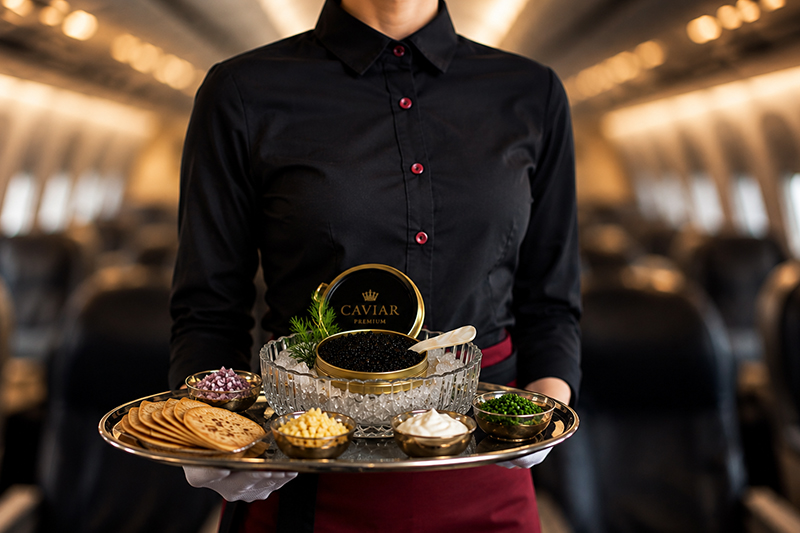
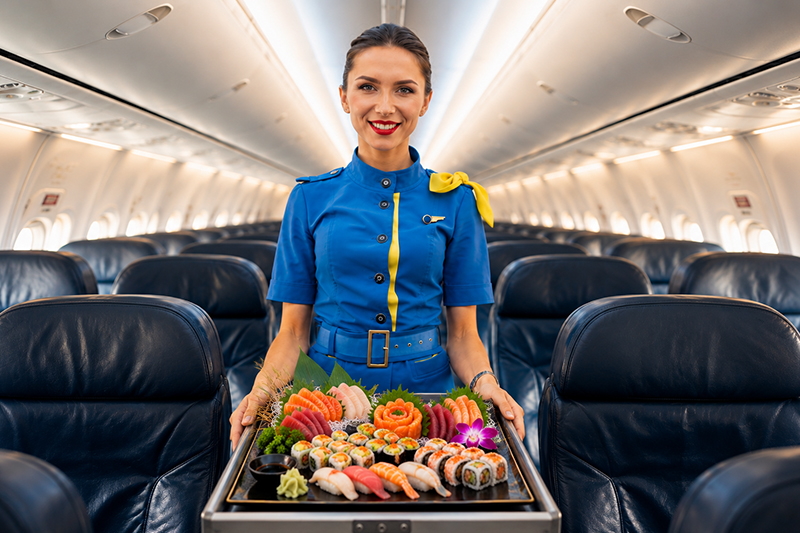
- Raw and lightly cured seafood: sashimi, oysters, ceviche, tartare.
- Rare proteins: beef tartare, carpaccio, seared foie gras.
- Soft cheeses and dairy: brie, burrata, mousses, cream desserts.
- Egg-based preparations: hollandaise, homemade mayonnaise, tiramisu.
- Allergen-heavy plates: nuts, shellfish, sesame, gluten.
- Cultural and religious menus: strict halal, kosher, Jain, or ayurvedic requests with no room for cross-contact.
The U.S. Food and Drug Administration identifies infants, older adults, pregnant passengers, and immunocompromised travellers as populations where even low-dose pathogen exposure can cause serious illness. Private aviation frequently carries all four groups on the same aircraft.
The Real Risk Picture in 2025
Private jet activity remained near record highs through 2025, with WingX reporting sustained global bizjet departures well above pre-pandemic levels and a growing share of ultra-long-range flights. More long sectors mean longer holding windows and more opportunities for the cold chain to fail. The World Health Organization estimates unsafe food causes roughly 600 million illnesses globally each year, with Salmonella, Listeria, and norovirus among the most frequent culprits linked to the ingredient families above. Cabin dehydration and altered taste perception can also mask early warning signs a passenger would notice on the ground.
Step 1: Risk-Screen Every Order Before Acceptance
Screening starts before the kitchen is briefed. A structured intake captures the following:
- Passenger count, ages, and any disclosed medical or allergen information.
- Sector length, cruise altitude, and expected cabin temperature.
- Galley equipment: oven type, chiller capacity, dry ice availability.
- Ground handling window between dispatch and wheels-up.
- Destination customs rules for meat, dairy, and fresh produce.
If any input pushes the order into heightened risk, the menu is adjusted or re-engineered. A premium private jet catering team runs this screen on every VIP booking, not only long-haul ones.
Step 2: Apply HACCP Discipline to the Kitchen
Hazard Analysis and Critical Control Points (HACCP) remains the operational backbone. Non-negotiable controls include:
- Sourcing: sashimi-grade fish with parasite-destruction records, pasteurised liquid egg for cold preparations, audited dairy.
- Temperature control: cold foods at or below 5°C, hot foods above 63°C, danger zone crossed quickly during blast chilling.
- Cross-contamination barriers: colour-coded boards, allergen prep zones, single-use gloves changed between tasks.
- Traceability: every batch logged with supplier lot, prep, chiller, and dispatch times.
The UK Food Standards Agency publishes HACCP frameworks that most aviation caterers align with, layered on top of local aviation requirements.
Step 3: Engineer the Menu for Flight Conditions
A dish that shines in a restaurant can fail in a Gulfstream galley. Practical adjustments reduce risk without compromising the experience:
- Swap raw oysters on long-haul sectors for lightly poached or torched versions plated onboard.
- Replace runny-yolk garnishes with sous-vide yolks that hit safe pasteurisation targets while keeping texture.
- Serve tartare components separately, letting the chef or crew assemble to order.
- Choose hard cheeses over soft for plates crossing multiple time zones.
- Build dessert around tempered chocolate, fruit, and stable custards rather than raw-egg mousses.
For allergen-sensitive passengers, a fully segregated menu prepared in a cleaned zone, sealed in dedicated containers, and labelled with the specific allergens absent is the safest architecture.
Step 4: Protect the Cold Chain from Kitchen to Cabin
Most inflight food incidents trace back to temperature abuse during transport or holding, not to the cooking itself. Strong practice includes:
- Pre-chilling transport boxes and vehicles before loading.
- Using calibrated data loggers in every high-risk box, not just spot checks.
- Timing dispatch so meals reach the aircraft chiller within 60 minutes wherever airport access allows.
- Giving crew a printed reheating card for each dish, with target core temperatures.
- Sizing dry ice or gel packs to sector length rather than a default quantity.
At challenging or high-heat airports, teams follow extended protocols like those in our guide to the smartest way to manage inflight catering, which covers ramp handovers in detail.
Step 5: Brief the Crew Properly
Cabin crew are the final control point. A high-risk menu should arrive with:
- A dish-by-dish service order, including which items must be served first.
- Reheating instructions with time, temperature, and equipment.
- Allergen icons on every container, visible without opening.
- A short verbal briefing at handover for unusual dishes.
When plans change last-minute, crew need authority to hold a high-risk dish back rather than serve it outside its safe window.
Global Considerations: Why Location Changes the Risk Profile
The same menu carries different risks depending on where the aircraft loads:
- Middle East and Southeast Asia: ramp temperatures above 45°C compress safe holding windows.
- Africa and remote South American fields: limited FBO cold storage makes short kitchen-to-aircraft times critical.
- Europe and North America: customs restrictions on meat and dairy affect what can cross borders.
- Asia-Pacific long-range routes: sectors above 12 hours demand staged service, not single-plating.
Operating across 2,000+ airports in 135 countries builds working knowledge of these variations. Our catering operations at Los Angeles International show how airport-specific protocols are documented and applied.
What Flight Departments Should Ask Their Caterer
Before approving a high-risk menu, ask:
- Which suppliers are used for raw seafood and rare meats, and how often are they audited?
- What is the documented cold-chain record for the last 12 months?
- How are allergens segregated during prep and packing?
- What happens if the flight is delayed by two, four, or eight hours?
- Are Michelin-star or hotel-partner kitchens held to the same HACCP standard as the caterer's own facility?
Final Thoughts
High-risk inflight menus are no longer an exception in private aviation. They are a regular part of the workload, driven by passenger expectations, longer sectors, and wider dietary and cultural requirements. Handling them well is less about heroics and more about repeatable discipline: honest risk screening at intake, HACCP-grade kitchen practice, menu engineering that respects flight conditions, an unbroken cold chain, and a well-briefed crew. Flight departments that ask the right questions, and caterers that answer with real records, avoid incidents rather than manage them after the fact. If your operation is reviewing how it handles high-risk menus this year, now is the moment to pressure-test your current supplier against the checklist above.
Frequently Asked Questions
What are the most common high-risk foods on private jets?
Raw and lightly cured seafood, rare beef, soft cheeses, raw-egg dishes, and cream-based desserts are the most frequent high-risk items on private jet menus. Allergen-heavy plates and strict cultural or religious menus also fall into this category, because one point of cross-contact can cause a serious incident. Long sectors, hot ramps, and limited galley refrigeration amplify the risk, which is why experienced caterers re-engineer these dishes for the specific flight profile.
How do inflight catering services keep raw fish safe on long flights?
Reputable caterers source sashimi-grade fish from suppliers with parasite-destruction protocols, hold product at or below 5°C throughout the journey, and use calibrated data loggers to verify temperatures during transport. On sectors above eight hours, components are often shipped separately and assembled to order by the cabin crew or a private chef rather than held pre-plated. Dry ice is sized to sector length, and dispatch is timed so the box reaches the aircraft chiller quickly.
Can private jet passengers request fully allergen-free meals?
Yes, it is one of the most common special requests in VIP catering. An allergen-free meal is prepared in a cleaned, segregated zone using dedicated equipment, ingredients screened for hidden allergens, and packaging labelled with the allergens absent. The allergen list is confirmed in writing with the flight department, the kitchen is briefed accordingly, and meals are sent in sealed containers with clear icons. Passengers with severe allergies should still carry their prescribed medication on board.
What temperature rules apply to inflight catering in 2025?
Cold food should be held at or below 5°C and hot food above 63°C, with the danger zone between 5°C and 60°C crossed quickly during chilling or reheating. These thresholds align with HACCP guidance used across most aviation authorities. On board, crew reheat high-risk items such as poultry, seafood, and reheated rice to a core temperature of at least 75°C. Any dish held outside safe temperatures for more than two hours is discarded rather than served.
How quickly can a global caterer respond to a last-minute high-risk order?
With the right network, a compliant high-risk menu can be produced within a few hours at major airports. A 24/7/365 operations desk coordinating 2,800+ partner kitchens across 2,000+ airports can activate a nearby Michelin-star chef, five-star hotel, or specialist caterer without shortcutting safety checks. Multilingual coordinators handle documentation, customs, and dispatch in parallel so the flight department sees only a confirmed order and a clean handover.