A charter that pushes forward by six hours. A principal who changes the passenger list at wheels-up minus ninety minutes. A diplomatic mission rerouted to a secondary field where no preferred vendor exists on file. These are the calls that land in dispatch rooms every week in private aviation, and the response window is measured in minutes, not hours. For flight departments, ground operations teams, and cabin crew, the ability to respond calmly and quickly to short-notice catering requests has become a core operational skill rather than an occasional exception.
Business aviation continues to run hot into 2026. The European Business Aviation Association reported that European business jet activity held above pre-pandemic norms through 2025, which keeps sustained pressure on trip planners, FBOs, and catering teams to move faster than ever. Handling short-notice orders well is not about panic. It is about a repeatable system that protects food safety, honours the principal's preferences, and clears customs without slowing the departure.
Why Short-Notice Orders Are Becoming the Norm
Several forces are compressing lead times across the sector:
- Charter demand has held above pre-pandemic norms through 2025, driven by corporate and ultra-high-net-worth travel patterns.
- Fractional programmes and jet card memberships have expanded the base of principals who fly on short notice, often booking a leg within twelve hours of departure.
- Passenger manifests change closer to departure because of same-day scheduling shifts.
- Diversions to secondary airports create sourcing gaps where preferred vendors are unavailable.
- Dietary, religious, and cultural requirements are more specific and non-negotiable than in previous years.
Trip support teams increasingly rely on providers that can pivot inside a two-hour window without cutting corners on HACCP standards.
The 90-Minute Rule for Short-Notice Requests
Most reputable providers can turn around a full VIP menu in about ninety minutes, provided the request contains the right information from the first message. Missing details are the single biggest cause of delays, not kitchen capacity.
Send in the first message:
- Tail number, ICAO airport code, and FBO name
- Passenger count and any dietary or religious restrictions
- Delivery time in local hours
- Service style requested, such as plated, family style, canapes, or crew meals
- Onboard equipment, including oven, chiller, or induction hob
- Onward destination if catering needs to hold for a second leg
One clean intake message removes the usual three or four rounds of clarifying emails and gets the kitchen moving immediately.
Menu Choices That Travel Well Under Time Pressure
When a kitchen has less than two hours, certain dishes hold quality far better than others during transfer and cabin service.
Reliable short-notice options include:
- Cold seafood platters with citrus and dill
- Sliced beef tenderloin served at room temperature with condiments
- Grain bowls with roasted vegetables and protein on the side
- Mezze, sushi, and antipasti selections
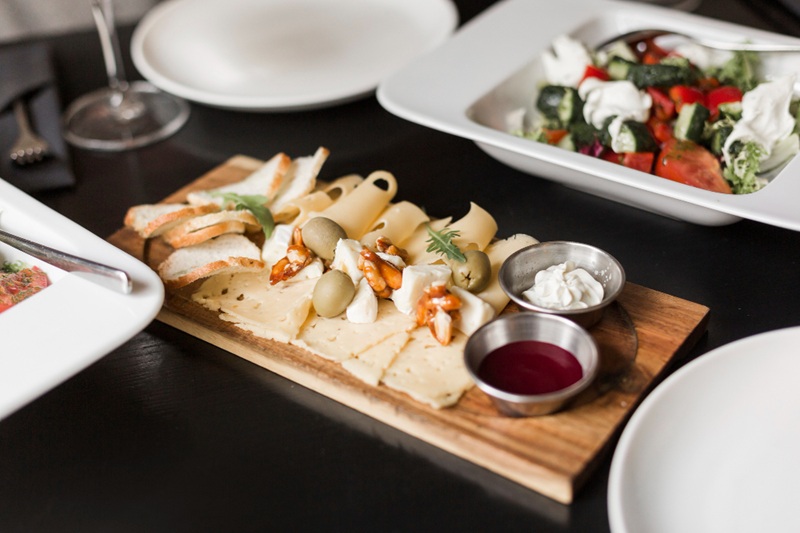
- Fresh fruit, artisan cheese, and charcuterie boards
- Pastries and viennoiserie for early-morning departures
Dishes to avoid on short notice:
- Delicate emulsions such as hollandaise or bearnaise
- Fried items that lose texture within thirty minutes
- Souffles and other technique-heavy hot desserts
- Any dish requiring last-second plating with hot components
A short conversation about onboard equipment often opens up better options. A galley with a working oven, for example, allows a rack of lamb to be finished during cruise rather than delivered fully cooked. A functioning chiller lets the kitchen build in a dessert course that would otherwise be too risky. Sharing the aircraft type or serial number with the caterer at the point of booking removes the guesswork, since most experienced kitchens keep galley profiles for common airframes on file. Our guidance on bespoke private jet meal options shows how menu design can be tailored to specific aircraft galleys, cabin layouts, and passenger profiles.
Dietary and Cultural Requests Handled at Speed
Passengers now travel with a wider range of dietary needs, from strict halal and kosher preparation to plant-based, gluten-free, and low-FODMAP requirements. Research from Mordor Intelligence's 2025 outlook on the global halal food market indicates continued strong growth in demand for certified halal meals in premium travel channels, which is reshaping how caterers stock and staff their kitchens.
Getting these requirements right at speed depends on trained coordinators and a supplier base that already carries the necessary certifications. Three habits keep quality intact when time is short:
- Maintain a shortlist of certified halal and kosher kitchens per region.
- Confirm allergen protocols in writing, not verbally.
- Ask the flight attendant to reconfirm requirements at handover.
For cabin crew who need a fast checklist before service, the rules of catering on private jets guide is a useful desk reference during rushed turnarounds.
Coordinating with the FBO and Ground Handler
Even a perfect menu fails if the delivery is late to the ramp. Ground coordination is where most last-minute orders slip, especially at busy fields with strict slot times or where ramp access requires additional badging for catering vehicles.
Practical steps that reduce ramp delays:
- Share the vehicle registration and driver name with the FBO in advance.
- Confirm ramp access rules, since some airports require an escort.
- Build in a fifteen-minute buffer for security screening of catering carts.
- Label every container with the tail number and passenger count.
- Include a printed manifest for customs on international departures.
At larger fields such as Los Angeles International, ramp coordination is more complex than at a small regional airport. Our guidance on inflight catering at Los Angeles International Airport outlines how these handoffs typically run in a Class B environment.
Working with a Trusted Partner Around the Clock
A reliable partner is the difference between a smooth short-notice turn and a delayed departure. What to look for in a provider of inflight catering services:
- Confirmed 24/7 dispatch with named contacts, not a generic mailbox.
- A vetted supplier network in the regions you fly most.
- HACCP compliance and traceable sourcing on every order.
- Transparent pricing with surcharge terms disclosed upfront.
- Multilingual coordinators who can speak directly to local kitchens.
Dark Wing Inflight operates across more than 2,000 airports in 135 countries, with a network of 2,800 partner kitchens that includes Michelin star chefs, five star hotels, and specialist VIP caterers. That footprint is what allows short-notice sourcing at fields where a single caterer would struggle to respond in time, with multilingual dispatch available 24/7/365.
Pricing transparency also matters more on rushed orders. Short-notice surcharges, minimum order values, delivery fees at secondary airports, and packaging costs should all be quoted before confirmation so the trip planner is never surprised on the final invoice. A partner that reserves capacity for last-minute work, rather than treating it as an interruption, will consistently deliver a better result.
A Simple Checklist for the Trip Planner
Before sending any short-notice request, run through these six points:
- Confirm passenger count and any late additions.
- Note all dietary, religious, and allergen requirements.
- Verify galley equipment and stowage space.
- Set a realistic delivery window with a buffer.
- Choose dishes that hold well at cabin temperature.
- Send all details in one clear message to the caterer.
For teams handling frequent short-notice requests, our overview on the smartest way to manage inflight catering covers workflow structures that reduce dispatch friction and keep principals happy.
Where the Industry Is Heading in 2026
Trip planners can expect pressure on short-notice sourcing to continue. The IATA 2025 Global Passenger Survey indicates that premium travellers increasingly expect the same personalisation on private aviation as they receive at leading hotels, from named-chef menus to detailed provenance on ingredients. That expectation, combined with tighter departure windows, is why more operators are moving from ad hoc sourcing to a single global catering inflight partner that can guarantee consistency across regions.
Bringing It All Together
Last-minute inflight catering is not an emergency when the right process sits behind it. A clean intake message, a menu built around dishes that travel well, disciplined coordination with the FBO, and a partner with genuine round-the-clock dispatch across your network of airfields will absorb almost any schedule change without a compromise on quality or safety. Trip planners who treat short-notice orders as a discipline rather than a scramble see faster confirmations, fewer delivery misses, and calmer principals on the ramp. Building that discipline starts with clear communication, tight intake templates, and a shortlist of vetted partners in every region you fly. For flight departments looking for a single point of contact that can move at the speed of private aviation, our team is available around the clock to confirm menus, source certified kitchens, and coordinate delivery at any of the 2,000 plus airports we cover. Reach out before your next schedule change, not during it.
Frequently Asked Questions
1. How quickly can inflight catering services be arranged for a private jet?
For most major airports, a full VIP menu can be arranged in about ninety minutes when the initial request includes tail number, passenger count, dietary needs, delivery time, and FBO details. Smaller regional fields and remote destinations may need two to three hours because the closest partner kitchen might be further from the ramp. Delays typically come from incomplete information rather than kitchen capacity. A well-briefed provider with a global partner network can source certified halal, kosher, vegan, or allergen-free meals inside the same window in most regions. For fuel stops of thirty minutes or less, crew meals and cold platters are usually the safest choices, since they need no reheating and hold quality during transfer. Our dispatch team recommends sending all trip details in one consolidated message to remove clarifying emails and speed up confirmation. Turnaround also improves when the flight department shares onboard galley equipment so the kitchen can match dishes to the aircraft.
2. What information should I share when placing a last-minute catering order?
A single clear message with the essentials saves the most time. Include the tail number, ICAO code of the departure airport, FBO name, passenger count, delivery time in local hours, any dietary or religious restrictions, allergen concerns, and the requested service style such as plated, family style, or canape service. If the aircraft has a working oven, chiller, or induction hob, mention it so the kitchen can plan the menu accordingly. For international departures, share the onward destination so customs paperwork and container labelling can be handled correctly the first time. If crew meals are needed alongside VIP service, list crew count separately. When the same principals fly regularly, our team keeps preference profiles on file so repeat orders skip most intake questions. A complete first message typically moves an order from received to confirmed in under fifteen minutes at supported airports.
3. Which dishes work best for short-notice VIP inflight orders?
Dishes that hold texture and temperature during transfer are the safest choices. Cold seafood platters, sliced beef tenderloin, grain bowls, sushi, mezze, antipasti, cheese and charcuterie boards, fresh fruit, and quality pastries all travel well and require no last-second finishing. Items that need delicate plating or hot emulsion components, such as souffles, fried foods, and hollandaise-based sauces, are best avoided under a two-hour turnaround. If the galley has a working oven, some hot dishes can be part-cooked in the kitchen and finished during cruise by the flight attendant, which opens up options like rack of lamb, roasted fish, or gratins. Our chefs also plan portioning so items reheat evenly without overcooking. Cultural preferences are always considered first, and regional favourites are often the fastest to source since local kitchens have them ready to plate.
4. How do you handle allergen and religious dietary requests on short notice?
All requirements are confirmed in writing before the kitchen begins production, and allergen protocols are documented rather than passed verbally to reduce risk. We maintain a shortlist of certified halal, kosher, and allergen-safe kitchens in each region so short-notice requests do not force a compromise on standards. For severe allergies, dedicated preparation surfaces and separate packaging are standard practice, with clear labelling on every container that reaches the ramp. When time is very tight, we recommend the flight attendant reconfirm the requirements at handover so any last change is caught before service. Cabin crew also receive a printed ingredient list where useful. This process follows HACCP guidelines and mirrors the safety standards used across leading premium hotel groups, which gives principals and flight departments confidence that quality is never sacrificed for speed on any short-notice order.
5. Can catering be arranged at secondary or remote airports at short notice?
Yes, in most regions. A global partner network is the reason short-notice orders remain possible at fields that do not have a dedicated in-terminal caterer. Our dispatch coordinators identify the nearest vetted kitchen, arrange transport to the FBO, and confirm ramp access with the ground handler. For very remote fields, a longer lead time of three to four hours is realistic, and cold or ambient-temperature menus are usually the best fit. If the aircraft is transiting through a hub before reaching the final field, we can also plan catering to be loaded at the hub and held onboard for the second leg. Flight departments operating in Africa, remote Asia, and parts of Latin America benefit most from this model, since our regional partners can respond faster than trying to source locally without prior coordination.