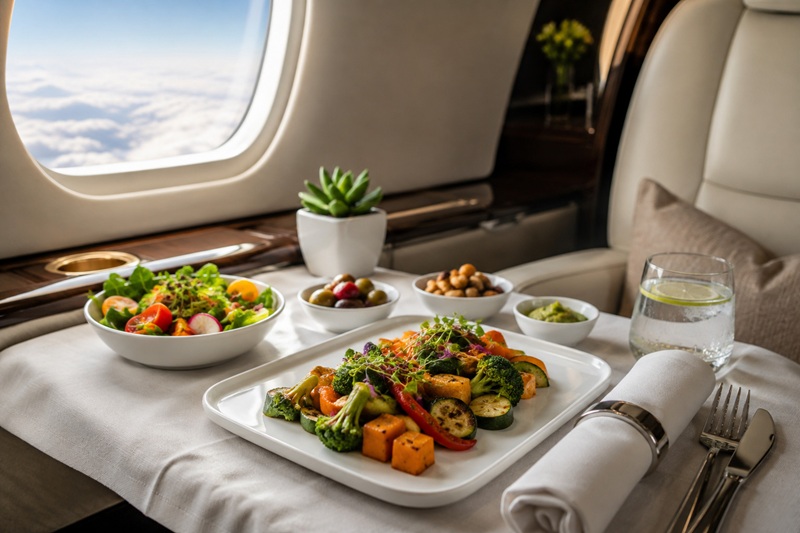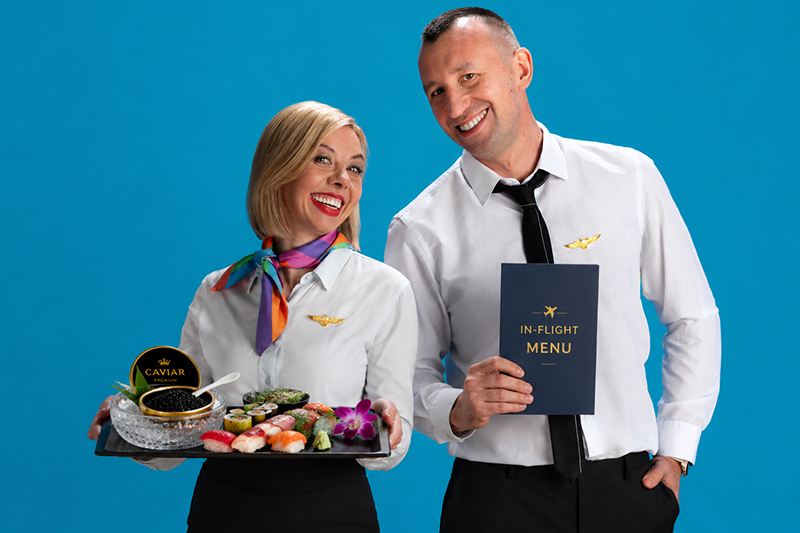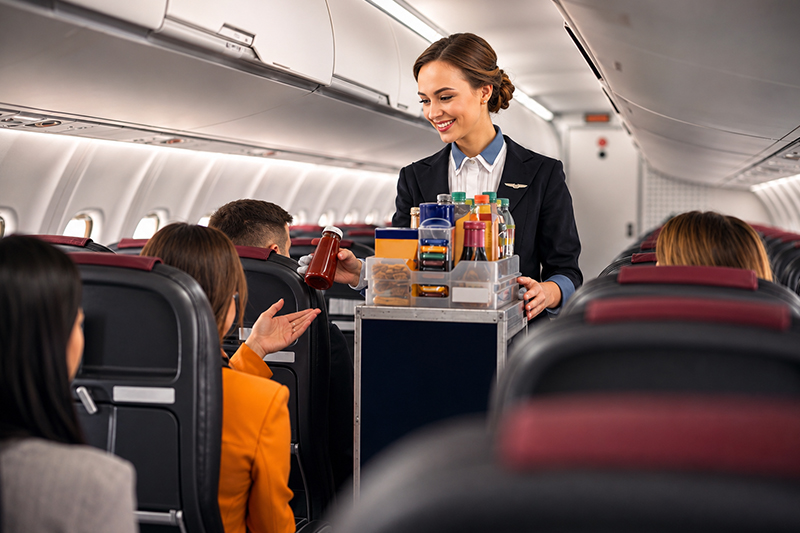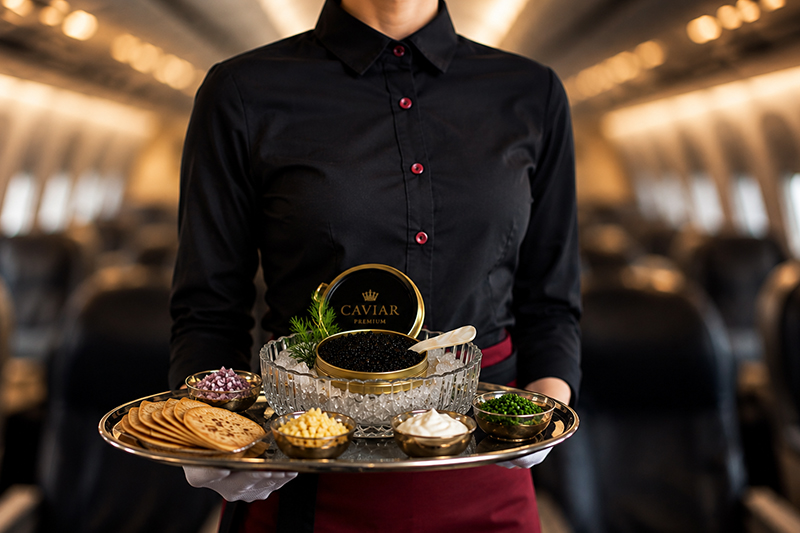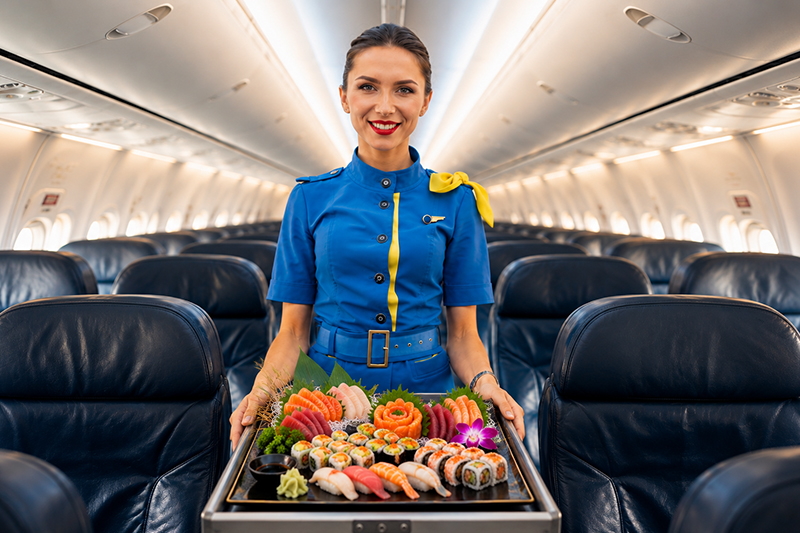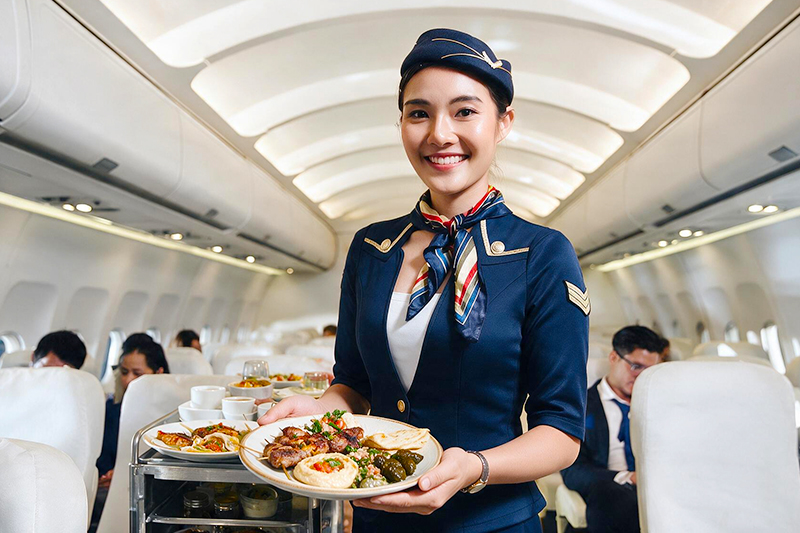
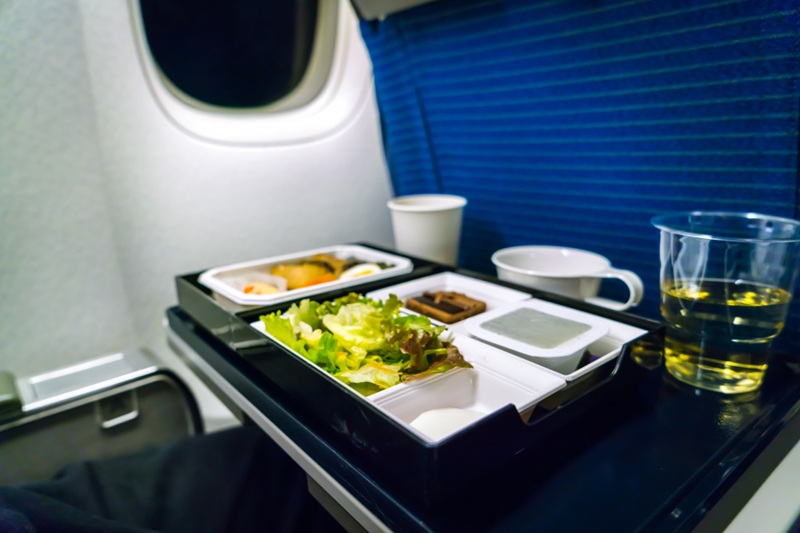
Managing inflight catering for private aviation is far more complex than placing a simple food order. Flight schedules are subject to change without notice, there are special dietary needs of passengers and the quality expectations are non-negotiable regardless of where to depart. For flight department managers, charter operators and aviation professionals who deal with VIP clients, the margin for error is essentially zero.
According to industry forecasts for 2025-2026, the business aviation industry is looking forward to the further development of ultra long-range flights and increased demand for personalized onboard services. This trend is placing even more pressure on catering coordination, making systematic management approaches a necessity rather than an option.
This guide breaks down a practical, proven framework for managing inflight catering intelligently, covering everything from partner selection to last-minute contingencies.
Why Traditional Catering Management Falls Short
The conventional method for inflight catering frequently involves a patchwork of local contacts, last-minute phone calls and spreadsheets which rapidly become outdated. This method introduces a number of problems that are compounded with time.
First of all, the quality is inconsistent since while working with unfamiliar vendors at every place you go. A given caterer who delivered excellent meals in London may not have any equivalent contact in Riyadh or Singapore. Second, communication gaps are multiplied when dealing across time zones, languages and different standards of operation. Third, emergency situations highlight the weakness of informal networks, especially when flights are diverted or schedules are compressed unexpectedly.
International inflight catering faces unique challenges that domestic operations don't normally face. Customs regulations, food import restrictions and the limitations to source food locally vary dramatically from country to country. A smarter management system takes the factors of these variables into account proactively rather than reactively.
Building a Reliable Partner Network
The foundation of smart catering management is access to a vetted and global network of suppliers. Rather than researching and qualifying vendors airport by airport, aviation professionals benefit from established partnerships with proven providers.
Dark Wing Inflight operates with 2,800+ partners across 2,000+ airports in 135 countries, providing flight departments with immediate access to qualified caterers regardless of destination. This network includes world-renowned restaurants, 5-star hotels, Michelin-star chefs, and specialized VIP caterers, all pre-screened for quality and reliability.
What to Look for in Inflight Catering Companies
Not all inflight catering companies are on the same standard. When looking at potential partners, there are a number of factors that separate outstanding providers from acceptable providers.
HACCP certification and food safety compliance should be non-negotiable. In 2025, regulatory expectations around aviation food service continue to get stricter worldwide, and by collaborating with certified partners, both airline passengers and operators are protected from liability. Beyond certifications, look for providers who understand aviation-specific packaging requirements, temperature control during transport, and aircraft galley limitations.
Experience with VIPs clients holds great importance. Catering for a private jet is fundamentally different from a commercial airline. Portion sizes, presentation standards and expectation of customization is altogether different. Inflight catering companies that have private aviation dedicated divisions understand these distinctions and adjust their operations accordingly.
Streamlining the Ordering Process
Efficiency in catering management comes from the elimination of any unnecessary friction in the ordering workflow. The smartest systems minimize the steps between the request and the confirmed delivery whilst maintaining the accuracy and flexibility.
Single Point of Contact
The coordination with multiple vendors in different time zones can be confusing and leads to a higher error rate. A centralized system to order, which is easily accessible via phone, email or WhatsApp, makes things easier and creates clear accountability.
Dark Wing Inflight provides 24/7/365 multilingual service, ensuring flight departments can place orders, make modifications, or address concerns at any hour. This availability proves particularly valuable for international operations where business hours across regions rarely align.
Lead Time Optimization
Standard lead times depend upon location and complexity. Major international hubs generally take 12-24 hours for standard VIP orders while remote airports or highly customized requests may take 48 hours or more. Smart management involves understanding these variables and constructing appropriate buffers into flight planning.
For urgent departures, experienced providers maintain relationships with quick response providers and have contingency options available. The idea is not to eliminate lead times altogether but to know exactly what remains achievable under compressed schedules.
Managing Dietary Requirements and Preferences
Passenger profiles in private aviation often involve specific dietary requirements ranging from religious observance to medical restriction to personal preference. Effective catering management has a way of keeping track of these details in a systematic way and communicating them clearly to catering providers.
Keeping records of passenger preferences helps avoid repeating the communication and prevents errors on repeat flights. When a principal always makes the same request for breakfast, or against which certain ingredients are to be avoided, that information should flow automatically to the catering provider without requiring manual re-entry.
Cultural sensitivity goes beyond the restriction of ingredients. International inflight catering requires awareness of presentation styles, meal timing preferences, and regional expectations that vary significantly across cultures. A caterer who has served Middle Eastern clients, for example, knows the norms of hospitality which can be quite different from the European/American ones.
Quality Control Across Locations
Consistency is one of the biggest issues in catering management around the world. A standard meal in one place must be standard everywhere, despite local conditions of sourcing or the provider's familiarity.
Standardized quality protocols help maintain consistency. These include detailed specifications for presentation, packaging, handling of temperature and time of delivery. When providers in different parts of the world are operating from the same playbook, things become much more predictable.
Feedback loops are used to close the quality circle. After each catering order, documenting what went well and what did not help in building institutional knowledge to improve future orders. The smartest flight departments treat each and every delivery as a learning opportunity and improve their approach constantly.
Handling Last-Minute Changes and Emergencies
Private aviation operates in an environment where schedules are frequently changed. Passengers are added or subtracted from the legs, diversions are made and departure times change with minimal notice. Smart catering management sees through these possibilities and does not view them as an exception.
Contingency planning includes identifying backup options at common diversion airports, understanding cancellation policies with primary providers and maintaining relationships with rapid response caterers who can deliver on short notice. The goal is resilience, to ensure that changes to the schedule cause inconvenience, not crisis.
Clear escalation procedures help when problems arise. Knowing who to contract exactly, what information they require and what alternatives exist and solves problems quickly. This preparation occurs before the issues arise, not during the issues.
Cost Management Without Quality Compromise
Budget consciousness in VIP catering has to be carefully balanced. Cost optimization should never be achieved at the cost of quality or safety. At the same time, overspending due to inefficient operations or poorly negotiated supplier contracts only leads to avoidable resource drain.
Volume relationships with providers often secure better pricing with no reduction in quality. Regular customers are given priority service and preferential rates so that there is financial benefit as well as operational benefit to continuing the partnership.
Transparent pricing removes the element of surprise. Understanding exactly what is included in each order, what additional charges might apply and how modifications affect price allows proper budgeting and prevents disputes after delivery.
Global Airport Coverage: Finding Catering Anywhere
One of the most practical concerns for the flight departments is simple availability. Does your catering provider actually deliver to your destination airport? This issue is particularly notable for operations involving less common routes or airports outside of major metropolitan areas.
A comprehensive catering partner should cater to not only key hubs such as London Luton, Teterboro, Le Bourget and Dubai International; but also secondary airports, FBOs in remote locations and challenging destinations throughout Africa, Central Asia and the Pacific. So, before you commit to any provider, check what their actual coverage is against your most common routes and potential diversionary airports.
Frequently Asked Questions
How far in advance should I order inflight catering for a private jet?
For standard VIP catering at major airports, 12-24 hours is typically sufficient. Complex orders, remote locations or highly customized menus may require more than 48 hours. Working with a provider connected with partners across the globe, like Dark Wing Inflight and our 2,800+ partner network, can shorten these timelines by removing delays from vendor qualifications. Always be sure of specific lead times for your departure airport since requirements vary significantly from one airport to another.
What certifications should inflight catering companies have?
HACCP (Hazard Analysis Critical Control Points) certification is the primary food safety standard for aviation catering. Further certifications of relevance include ISO 22000 food safety management systems and local health authority approvals. For international inflight catering operations, check that providers comply with both origin and destination country regulations. Reputable providers have their certifications on display and are able to provide documentation if requested.
How do I handle catering for passengers with severe food allergies?
Communicate allergy information early in the ordering process clearly. Indicate the allergen, severity level and whether it is a cross-contamination concern. Quality catering providers have protocols for allergen management including separate preparation areas and the verification of ingredients. For severe allergies, try to ask for preparation documentation and ask for ingredient lists. Building passenger profiles that travel with the booking ensures that this critical information reaches providers every time.
What happens if my flight schedule changes after placing a catering order?
Contact your catering provider as soon as possible with revised departure information. Most providers can work with schedule changes within reason, although changes could impact pricing if the order is already in production. Providers that offer 24/7/365 service can respond to changes at any time of the day. Understanding cancellation policies prior to ordering helps avoid any surprises. For frequently changing itineraries, discuss flexible ordering arrangements with your provider in advance.
Ready to Simplify Your Catering Management?
Managing inflight catering does not need to consume disproportionate time and attention. With the correct partner and methodical approach, proper culinary attention can be given to every flight without an operational stress.