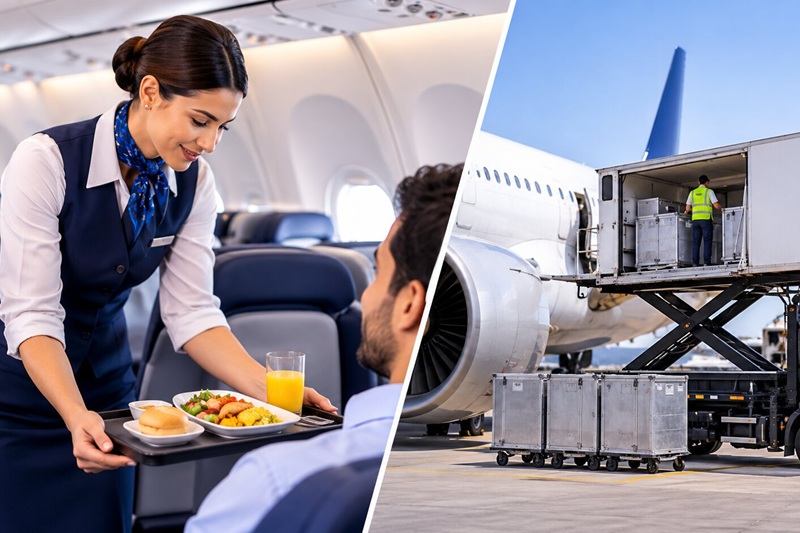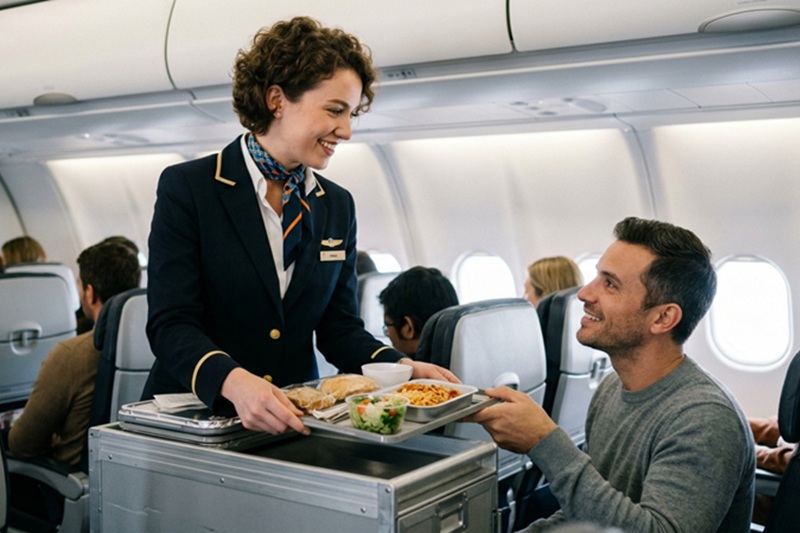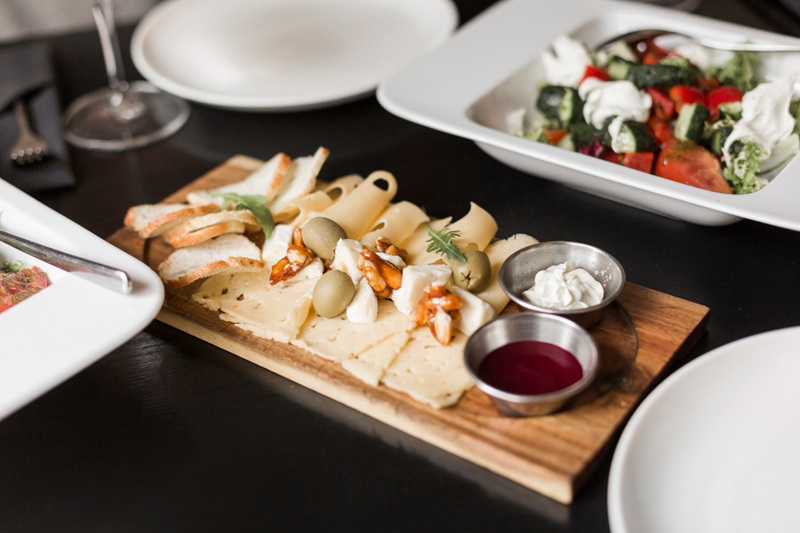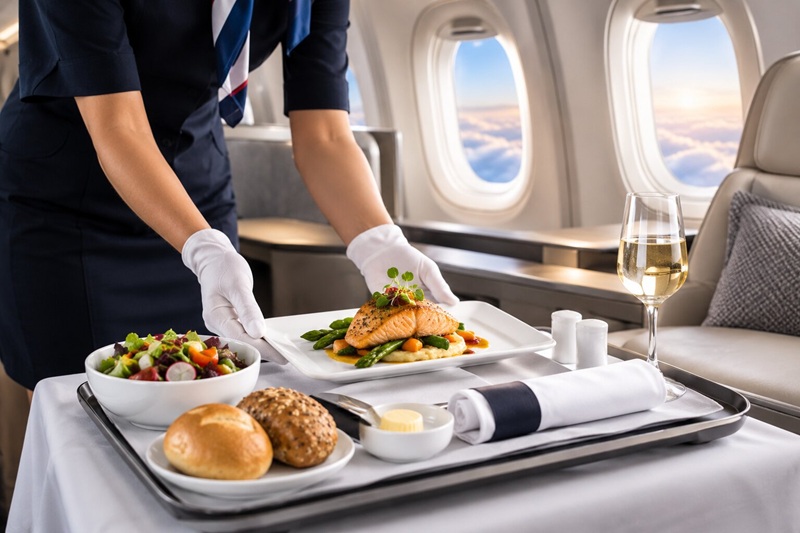
A trip sheet that closes at 11 pm for a 6 am departure leaves a flight department with one urgent question: who answers the phone right now? Business aviation has just come off its busiest year on record, with WINGX reporting global flight sectors up 5 percent in 2025 compared with 2024. More flying means more short-notice legs, more overnight turnarounds, and more arrivals at airports the crew has never used before. Catering sits at the center of that pressure. A late delivery holds a departure slot. A mishandled allergy becomes a medical event at 41,000 feet with no quick diversion option. This guide sets out what operators, schedulers, and cabin crew should expect from a catering partner, and how to verify it before the next trip sheet drops.
Why 24/7 Global Support Is Now an Operational Requirement
The demand curve explains the urgency. Honeywell's 2025 Global Business Aviation Outlook expects new business jet deliveries in 2026 to come in 5 percent higher than in 2025, and 91 percent of surveyed operators plan to fly as much or more next year. Larger fleets and fuller calendars compress the window for arranging every ground service, and catering cannot be produced in advance and stored.
Three realities make round-the-clock coverage non-negotiable:
- Time zones never align. A Tuesday morning departure out of Singapore Changi is still Monday evening for a dispatcher in New York. Someone must own the order while the home office sleeps.
- Trips change after office hours. Principals extend meetings, weather moves slots, and crews swap tails.
- Crews work the clock, not the calendar. A 0300 repositioning flight deserves the same service standard as a midday charter.
A provider that routes overnight calls to voicemail cannot support international operations. Response time is measurable, so place a test call at 0200 local time before awarding regular business and note how long written confirmation takes.
What a Dependable Catering Partner Looks Like in Practice
The search for a reliable inflight caterer with 24/7 global support for operators usually begins after a failure: a no-show delivery at a secondary airport, a galley packed for the wrong aircraft type, or a dish that ignored a clearly stated restriction. The right partner prevents those outcomes through systems, not luck.
A Live Order Desk, Not an Answering Service
Look for coordinators who pick up within minutes at any hour, communicate in the client's language, and issue written confirmation with delivery times, packaging notes, and handling instructions. An order relayed through a translation app at a provincial airport in Asia or the Middle East is an order waiting to go wrong. Dark Wing Inflight staffs its order desk 24/7/365 with multilingual coordinators precisely because most catering errors trace back to a communication gap, not a kitchen fault.
Verified Partners on the Ground at Every Destination
Global coverage only counts when it is real at airport level. A credible provider maintains vetted relationships with named kitchens at each location: Michelin-starred restaurants, five-star hotel kitchens, and specialist VIP units that understand aircraft delivery protocols. Reviewing a provider's premium private jet catering services shows how deep the bench actually goes, from bespoke menu design to sommelier-selected wine pairings.
Food Safety and HACCP Compliance at Altitude
Cabin altitude dulls taste perception, but it does nothing to slow bacterial growth in food held at the wrong temperature. Serious providers operate under HACCP principles at every stage: sourcing, preparation, chilling, transport, and handover at the aircraft. Ask for evidence rather than assurances.
Practical markers of a compliant operation include:
- A documented cold chain from kitchen to galley, with temperature logs available on request
- Allergen segregation during preparation, packing, and labelling
- Packaging engineered for galley storage, onboard reheating equipment, and service flow
- Traceability on every component, so any concern can be isolated within minutes
Crews carry obligations once food comes aboard, from customs declarations to disposal rules at arrival ports. The published rules of catering on private jets cover these responsibilities in detail and are worth sharing with new cabin staff during onboarding.
Short-Notice Changes, Delays, and Reroutes
A Gulfstream departs Geneva for Riyadh with a full VIP service loaded. Two hours out, the principal redirects to Jeddah for a morning meeting. The original delivery is now pointless, and a replacement must be sourced, prepared, and cleared through airport security at a different field in under three hours, overnight, in Arabic.
This is the moment that separates a vendor from a partner. Strong providers handle it through:
- Standing relationships at both primary and alternate airports in each region
- Coordinators empowered to re-task a local kitchen immediately, without escalation delays
- Direct lines to FBO and ground handling teams so delivery and security access run in parallel
- Transparent communication back to the dispatcher with a revised, written timeline
Flight departments that formalize this workflow recover faster. The smartest way to manage inflight catering is to agree on change protocols before the first order is placed, so nobody improvises during a live trip.
Cultural and Dietary Precision Across Regions
Menus that work over the Atlantic can fail over the Gulf. Halal assurance in Dubai and Riyadh, certified kosher sourcing for flights into Tel Aviv, authentic kaiseki presentation out of Tokyo Haneda, and plant-forward fine dining for departures from California all demand local knowledge rather than a generic international menu. Service style varies too, from formal plated courses to family-style trays suited to working meetings at altitude.
Location-specific expertise shows up in the details. Arranging inflight catering at Los Angeles International Airport, for instance, involves different kitchen partners, delivery logistics, and security procedures than a lift out of Farnborough, Teterboro, or Singapore Seletar. Providers with genuine local presence adapt to each airport's rhythm. Government and military missions add vetted personnel, documentation discipline, and discretion standards that commercial-grade vendors rarely satisfy.
A Practical Checklist for Evaluating Catering Partners
Not all inflight caterers operate with the same depth, and marketing pages rarely reveal the difference. Use this checklist during selection:
- Coverage: Does the provider serve your actual route network, including secondary and remote airports, or only marquee hubs?
- Response: What is the guaranteed confirmation window for a request placed at 0300 local time?
- Compliance: Can the provider produce HACCP documentation and partner vetting records on request?
- Communication: Are coordinators multilingual, and is every order confirmed in writing?
- Flexibility: What is the stated cutoff for changes, and what happens after it passes?
- Accountability: Is there a single point of contact per trip and a clear escalation path when something slips?
- References: Will the provider connect you with flight departments flying similar missions?
Run one live trial trip through a demanding station before signing anything longer term.
The Final Word for Flight Departments
Catering is a small line on the trip cost sheet and a large line in the passenger's memory. Operators flying into 2026's busier schedules need a partner whose coverage, compliance, and responsiveness hold up at 0300 as convincingly as they do in a sales presentation. Dark Wing Inflight supports that standard with 2,800+ vetted culinary partners across 2,000+ airports in 135 countries, HACCP-compliant handling, and a multilingual team available 24/7/365 for private jet, government, and military missions. Start small if you prefer: request a quote for an upcoming trip, check coverage for your most demanding airport, or review sample menus with our team. For live requirements, call +44 204 577 0985, message us on WhatsApp at +33 787 346 458, or email info@darkwinginflight.catering. One well-tested trip will tell you more than any brochure, and the desk is open right now.
Frequently Asked Questions
How far in advance should operators place VIP catering orders?
Twenty-four hours is the comfortable standard for bespoke VIP menus, since premium ingredients and specialist preparation take time. Established global providers routinely execute quality orders in four to six hours at major hubs, faster where standing kitchen partnerships exist. For remote or secondary airports, build in extra margin, and always confirm the local cutoff in writing when the trip is first scheduled.
What does 24/7 global support actually include?
Genuine round-the-clock support means a live, multilingual order desk every day of the year, including public holidays, with coordinators authorized to place, amend, and re-route orders immediately. It also covers proactive updates on delivery status, direct coordination with FBOs and handlers, and a named escalation contact. An after-hours voicemail or an email inbox checked each morning does not qualify.
How is food safety maintained between the kitchen and the aircraft?
Compliant providers follow HACCP principles across the full chain: temperature-controlled preparation, sealed and labelled packaging, refrigerated transport, and documented handover at the aircraft. Temperature logs and traceability records should be available on request. Crews then maintain that chain onboard through correct galley storage and service timing.
Can private jet catering accommodate strict religious and medical dietary requirements?
Yes, provided requirements are stated clearly at ordering. Experienced providers arrange certified halal and kosher meals, allergen-controlled preparation with full segregation, diabetic-friendly menus, and vegan or gluten-free service to fine dining standard. The critical safeguards are written confirmation of each requirement and labelling on every item, so cabin crew can serve with complete confidence.
What should operators do when a flight diverts or delays after an order is placed?
Contact the catering desk immediately with the new airport, revised arrival time, and any passenger changes. A capable global provider will re-task a vetted kitchen near the new destination, coordinate security access with the handler, and issue an updated written timeline. Agreeing a change protocol with your provider in advance keeps these situations routine rather than disruptive.