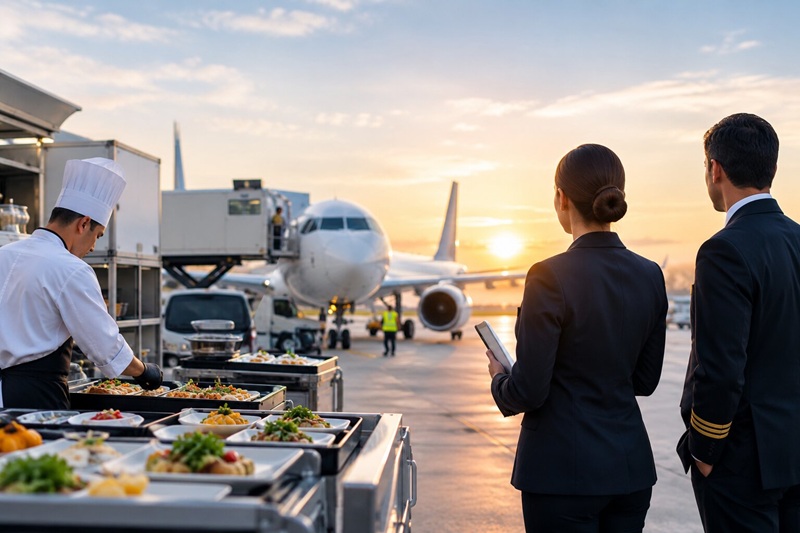
A departure out of London Luton at 06:00 gives a catering team one overnight window to cook, chill, pack, and seal every item before it reaches the aircraft. International routes shrink that window further. Customs declarations, agricultural import limits, galley constraints, and time zone gaps between the flight department and the kitchen all add friction to what looks like a simple food order.
The pressure is also rising. WingX recorded 2025 as the busiest year on record for global business aviation, with flight sectors up 5 percent over 2024, so more aircraft now compete for the same kitchens and delivery slots at major hubs. This guide covers the full booking process for international trips, the errors that delay departures, and the checks experienced crews never skip.
Why International Legs Need More Planning Than Domestic Flights
Domestic catering is forgiving. A missed item can often be replaced from an FBO pantry or a nearby restaurant within the hour. Cross border flying removes that safety net.
- Lead times stretch. Remote kitchens may need 48 to 72 hours of notice, against roughly 24 hours at established hubs such as Teterboro or Paris Le Bourget.
- Import rules differ by country. Fresh meat, dairy, and produce that board legally in one jurisdiction may be confiscated on arrival in another.
- Kitchen quality varies widely. Not every airfield has a dedicated VIP kitchen, so sourcing often runs through vetted restaurants and five star hotels instead.
- Cultural and religious requirements change by region, from halal preparation across the Gulf to certified kosher meals that demand sealed, supervised production.
IATA expects global passenger demand to keep expanding through 2026, with Asia Pacific contributing more than half of the growth. That trajectory keeps catering capacity tight at busy Asian gateways such as Singapore Seletar and Tokyo Haneda, which rewards early orders.
Booking International Jet Catering Step by Step
Step 1: Lock In Flight Details Before Contacting the Kitchen
Every order starts with logistics, not menus. Confirm the departure airport and its ICAO code, the FBO or ground handler, the tail number, departure time in local hours, and the exact passenger and crew count. Deliveries are timed backward from wheels up. A vague schedule produces either food that sits too long or a delivery van stuck at a security gate while passengers board.
Step 2: Share Dietary, Religious, and VIP Preferences Early
Collect allergies, intolerances, and religious requirements from every passenger, then send them to the caterer in writing. Principal profiles help too: preferred cuisines, plating styles, favored brands of water or tea, and ingredients to avoid. Reviewing bespoke private jet meal options before the trip speeds up this conversation and keeps expectations aligned on both sides.
Step 3: Place the Order 24 to 72 Hours Before Departure
At major business aviation hubs, 24 hours is a workable standard. Remote islands, secondary African airfields, and destinations without dedicated kitchens justify 72 hours or more. Certified kosher production usually needs 48 to 72 hours because supervised kitchens are scarce. Booking earlier buys options: better sourcing, confirmed specialty items, and time to arrange airside delivery permits. Last minute orders remain possible at large airports, but choice narrows and surcharges climb.
Step 4: Match the Menu to the Galley
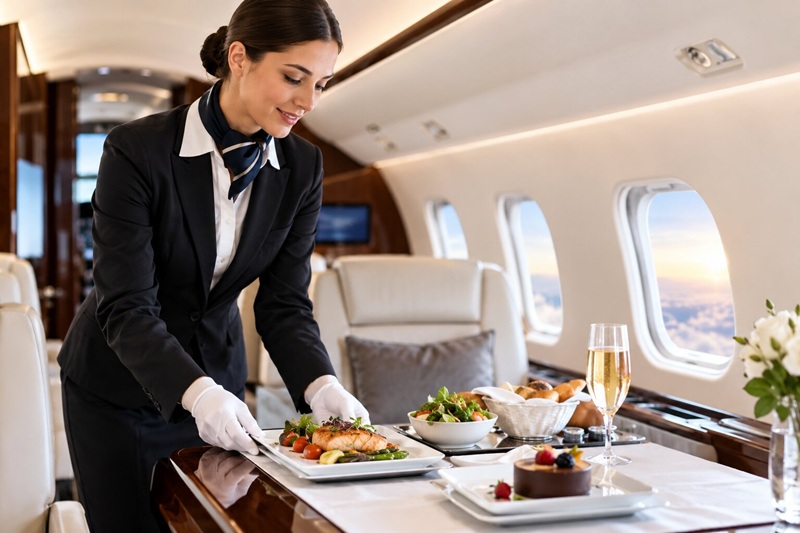
An ambitious menu fails if the aircraft cannot serve it. Confirm oven type, chiller capacity, and available crockery before finalizing dishes. Light jets with warming drawers suit ready to serve platters. Heavy jets with full galleys can handle multi course plating. Ask for crew friendly packaging with clear heating instructions, labeled allergens, and a logical packing order so the cabin attendant works efficiently at altitude.
Step 5: Check Customs and Agricultural Rules for the Arrival Country
Food that boards legally can still be seized on landing. Australia and New Zealand enforce strict biosecurity controls on fresh produce, meat, and dairy. The United States restricts many animal products through inspection on arrival. Plan menus so international legs land clean, or arrange for unopened stores to stay on board under customs seal. The rules of catering on private jets shift enough by route that a quick check before each new destination pays for itself.
Step 6: Reconfirm Everything 12 to 24 Hours Out
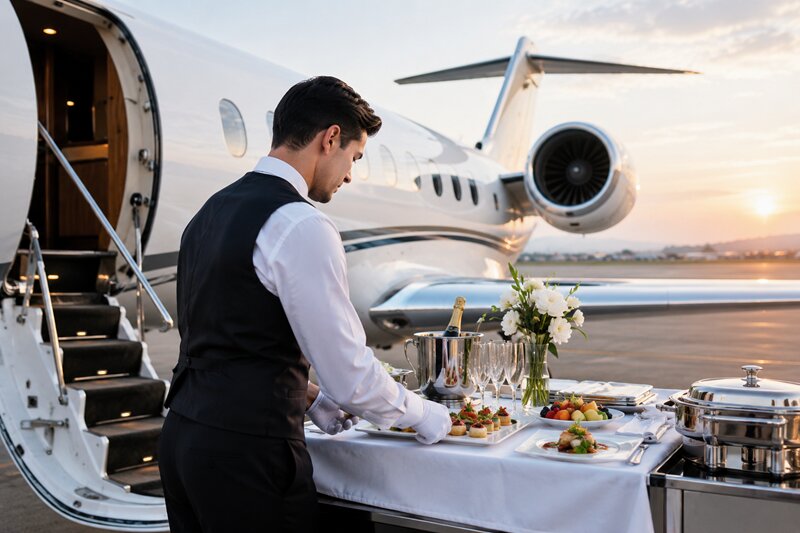
Passenger counts change, slots move, and weather shifts departures. Reconfirm the final headcount, delivery time, and an on site contact the evening before. Share the crew phone number with the kitchen and request delivery tracking where available. This single call prevents most ramp side surprises.
What Drives International Catering Costs in 2026
Pricing varies by airport, menu complexity, and timing, so fixed figures mislead more than they help. These are the variables that move an invoice:
- Menu complexity: multi course VIP service costs several times more than crew meals or snack trays.
- Location: remote airfields add sourcing and transport surcharges, and some apply airside access fees.
- Timing: orders placed inside 24 hours often carry rush fees, and overnight or holiday deliveries can add more.
- Specialty production: certified kosher, fully organic, or Michelin level menus command premiums.
- Delivery and handling: FBO fees, packaging, dry ice, and thermal boxes appear as separate line items.
Request itemized quotes so handling charges surface before invoicing. Teams that centralize orders through one coordinator also avoid duplicate fees across multi leg trips, one of several smarter ways to manage inflight catering budgets.
Food Safety Standards to Expect From Any International Caterer
Food safety is non negotiable at 41,000 feet, where a medical diversion is slow and expensive. A dependable airport catering service should operate under HACCP, the hazard control framework published by the US Food and Drug Administration, with documented cold chain monitoring from kitchen to aircraft door. Before confirming any order, ask for:
- Temperature logs for chilled and hot items at handover
- Sealed, tamper evident packaging on every container
- Allergen labeling in a language the crew reads
- Traceable sourcing for proteins, seafood, and dairy
Choosing a Catering Partner for Global Routes
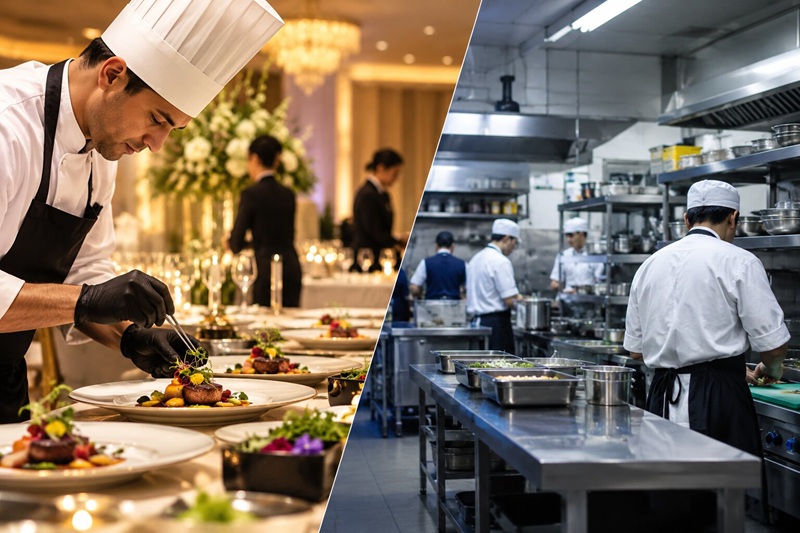
A single kitchen caterer performs well at its home airport and struggles everywhere else. Global coordination is a different discipline. Dark Wing Inflight manages orders through a network of 2,800+ restaurants, five star hotels, VIP caterers, and Michelin starred chefs across 2,000+ airports in 135 countries, with multilingual coordinators available 24/7/365. That structure matters most where problems hide: a late night turnaround at a secondary airfield, a kosher request in a city without a certified kitchen, or inflight catering at Los Angeles International Airport timed around a congested ramp. One point of contact, consistent quality standards, and local sourcing knowledge replace a folder of ad hoc vendor numbers.
Final Checks Before You Fly
International catering rewards preparation. Confirm logistics first, share dietary needs early, respect lead times, match menus to the galley, clear customs rules, and reconfirm the day before departure. Crews that follow this sequence board with food that is safe, correct, and served the way passengers expect, even after a 14 hour sector. For flight departments still comparing providers, start by reviewing menus and airport coverage along upcoming routes, then request a sample quote for the next trip. For departures already on the schedule, Dark Wing Inflight coordinators are available around the clock to confirm availability at both ends of the route. Call +44 204 577 0985, message us on WhatsApp at +33 787 346 458, or email info@darkwinginflight.catering with your tail number, airports, and departure times, and a coordinator will respond with menus and timings for every leg.
Frequently Asked Questions
How far in advance should I book catering for an international private jet flight?
Order 24 hours ahead at major hubs and 48 to 72 hours ahead for remote destinations, specialty diets, or certified kosher meals. Earlier orders secure better sourcing and avoid rush surcharges. For multi leg international trips, book every leg at once so each stop is confirmed before the first departure.
Can passengers bring their own food on an international private jet flight?
Yes, personal food can board, but arrival country rules still apply. Fresh fruit, meat, and dairy may be seized by customs or biosecurity officers on landing, particularly in Australia, New Zealand, and the United States. Declaring items honestly and keeping receipts makes inspection faster and avoids fines.
What happens to leftover catering when landing in another country?
Most countries require international food waste to be sealed and destroyed under supervision, so crews cannot simply carry leftovers off the aircraft. Caterers can plan portions to limit waste, and unopened stores can sometimes remain on board under customs seal for the next leg of the trip.
Is halal or kosher catering available at international airports?
Availability depends on certified local kitchens. Halal options are standard across the Gulf, Southeast Asia, and most European hubs such as Dubai Al Maktoum and Geneva. Certified kosher meals need supervised production and usually 48 to 72 hours of notice, delivered in sealed, double wrapped packaging.
How do crews arrange catering at remote airports without VIP kitchens?
Coordinators source from vetted hotels and restaurants near the airfield, then manage packaging, food safety checks, and airside delivery permits. Ordering 72 hours ahead, requesting thermal packaging, and confirming a local delivery contact keep quality consistent even at island strips and secondary airfields in Africa or the Caribbean.