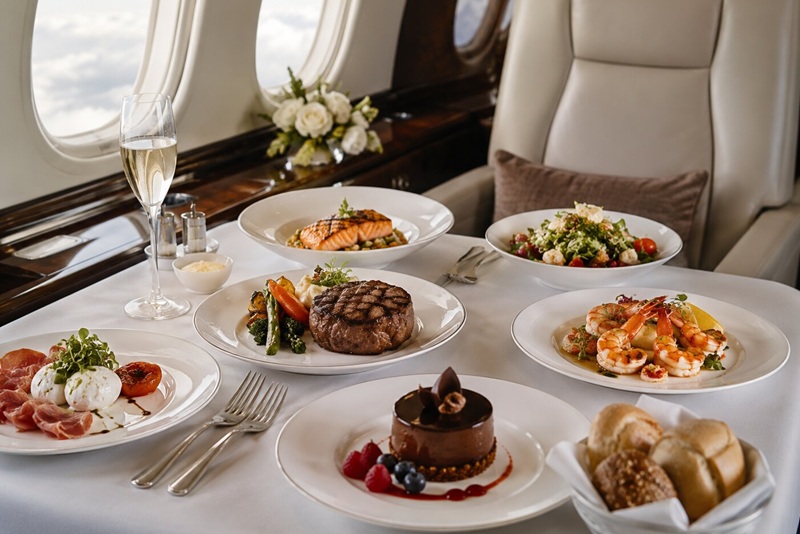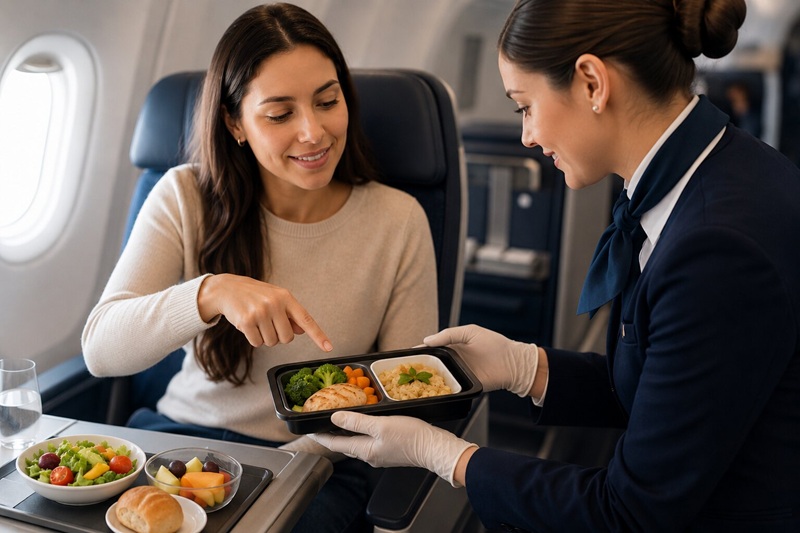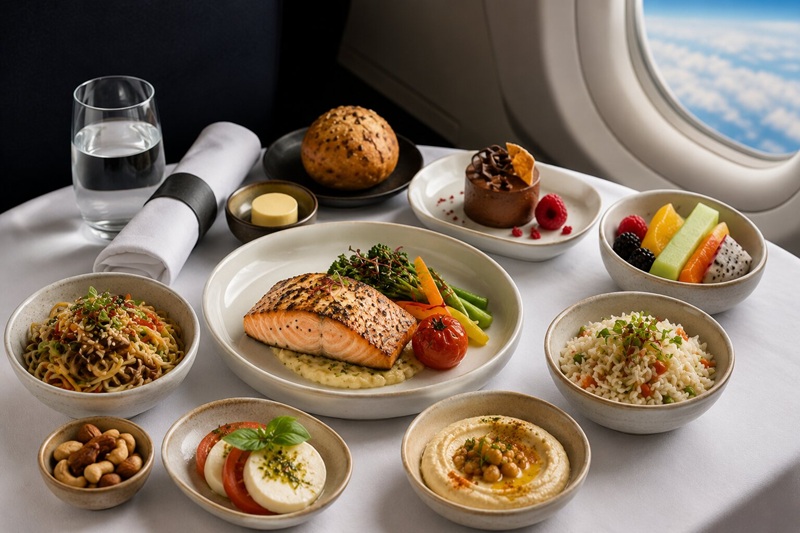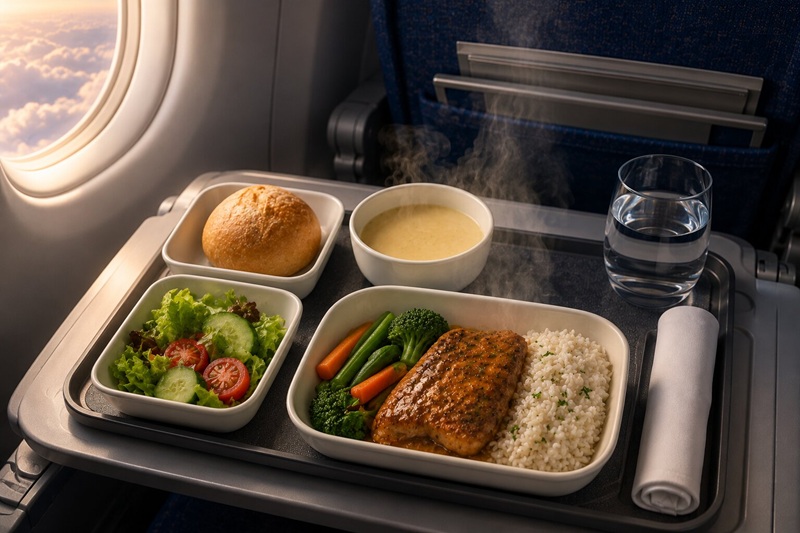
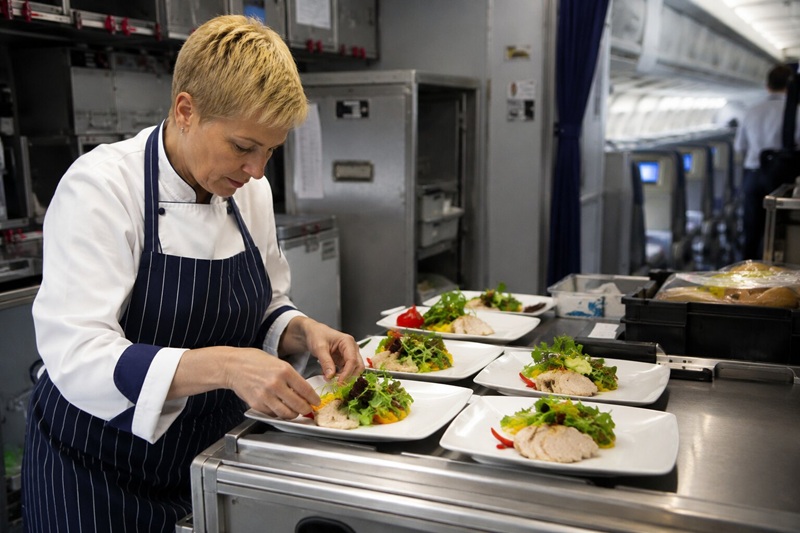
Somewhere right now, a request is coming in: a private jet leaving Geneva at dawn, the principal wants the exact wagyu cut his Tokyo chef serves, plus a specific Bordeaux his sommelier recommended, plus a vegan dessert his daughter likes from a patisserie in Paris. The flight is in eleven hours. This is where aviation catering becomes a chase. The market reflects the pressure. According to the Research and Markets 2026 private jet charter industry report, the private jet charter market will grow from USD 27.38 billion in 2026 to USD 45.43 billion by 2030, with personalization and luxury inflight service ranked among the strongest drivers. Behind every plate served at 40,000 feet is a story of sourcing, coordination, and timing that almost no one outside the industry sees. This piece pulls back the curtain on what the chase actually looks like.
Why Aviation Catering Is Not Restaurant Cooking
A great restaurant operates inside a closed system. The chef knows the kitchen, the suppliers, the regulars, and the menu. Aviation catering operates inside the opposite system. The kitchen moves. The suppliers vary by city. The passenger list changes hours before departure. The menu has to perform at altitude after being prepared on the ground, chilled, transported through airside security, and reheated in a galley the chef may never have seen. The operational discipline required has more in common with a high-stakes logistics company than with a fine-dining restaurant. The food still has to be excellent. The difference is that excellence in aviation catering is judged by what survives a 90-minute tarmac transfer and a temperature-controlled reheat, not by what comes off the pass in a kitchen down the street.
The Anatomy of a Single Culinary Chase
Trace a typical request and the choreography becomes clear. An order arrives for a flight departing Madrid at 7 a.m. The passenger has specified Iberico ham from a particular producer, fresh oysters from a Galician supplier, and a vegan pasta dish prepared the way her London chef prepares it. The catering coordinator pulls each ingredient through a different supply line. The Iberico ham is collected from a specialist butcher in Salamanca and driven 350 kilometers to Madrid overnight. The oysters are couriered from Vigo on an early morning train. The pasta is prepared from a recipe shared by the London chef, validated by a Madrid kitchen that mirrors the technique. Every component lands at the catering facility within a four-hour window. Plating, temperature staging, packaging, and the final tarmac delivery happen in the last 90 minutes before pushback. One missed handoff and the entire chain breaks.
Sourcing Across Continents in Real Time
The world's leading aviation catering companies operate global sourcing networks that function more like a logistics firm than a kitchen. A request originating in Singapore may require collecting cheese from a small dairy in Normandy, picking up sourdough from a specific Tokyo bakery, and arranging a same-day delivery of Wagyu from a Hokkaido supplier. The orchestration is constant. Multilingual coordinators speak with suppliers in their local language, navigate customs declarations, manage chilled-chain transport, and confirm delivery windows with airport ground handlers. Dark Wing Inflight's network of 2,800+ partners across 2,000 airports in 135 countries was built specifically for this kind of operation. The advantage is not just having coverage. It is having vetted relationships that absorb pressure when timelines tighten. The chase only succeeds when every link in the chain already trusts the link before it.
Hours, Not Days: The Time Pressure That Defines the Work
Time is the single biggest variable in aviation catering. Mordor Intelligence's inflight catering market analysis notes that the global inflight catering market is forecast to grow from USD 17.36 billion in 2025 to USD 18.77 billion in 2026, with digital pre-order platforms and faster turnaround logistics among the strongest growth drivers. In the private aviation segment, last-minute orders are common. A flight plan can change in the morning and depart that evening, with a fully bespoke menu in between. Coordinators run parallel workflows: confirming each ingredient as it is picked up, holding suppliers accountable for ETAs, and keeping the cabin crew updated as variables shift. When something fails, the team has minutes, not hours, to substitute or re-source. The chase rewards calm under pressure and punishes assumptions.
What the Passenger Sees When the Chase Pays Off
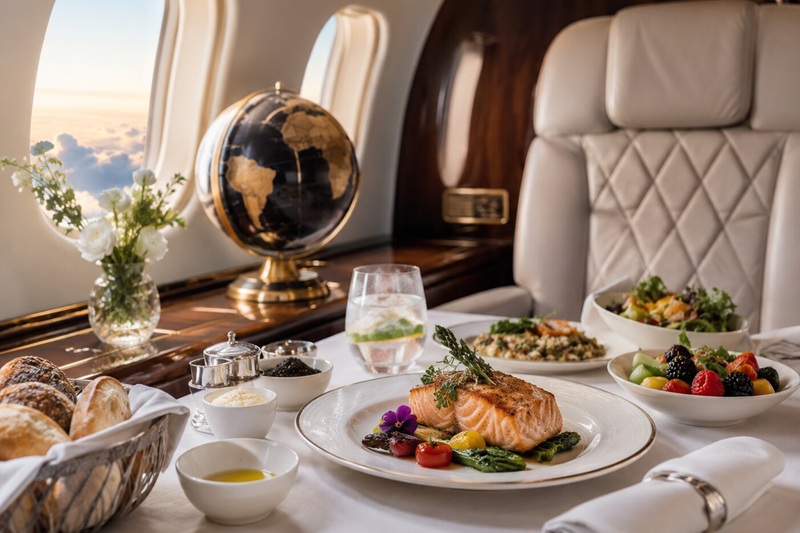
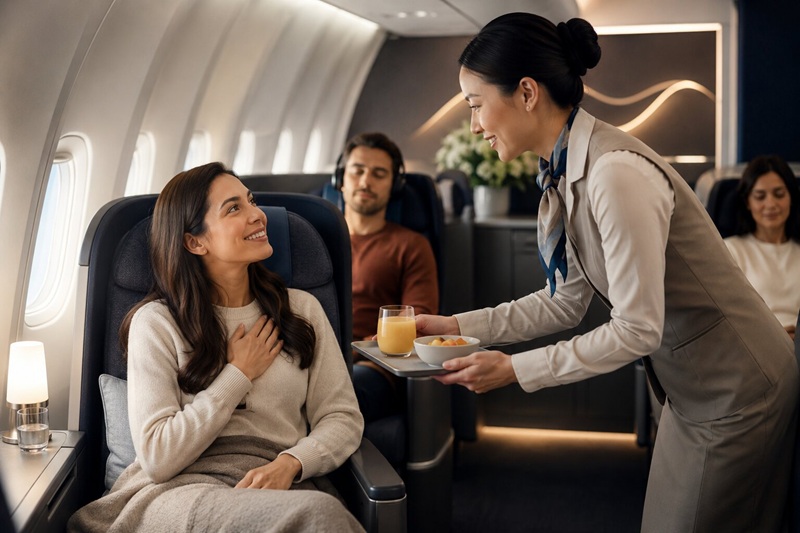
From the seat, none of this is visible. The passenger boards, the meal arrives at exactly the right time, and the dish tastes like it was prepared down the street from their home. That seamlessness is the entire point. The most refined private aviation catering operations work precisely because the chase never shows. There is no apology for substitutions, no awkward improvisation, no missing component. The wagyu is the right cut. The Bordeaux is the right vintage. The vegan dessert tastes exactly like the one from the Paris patisserie. The passenger experiences a calm, almost effortless meal. The team behind it has spent the previous twelve hours running.
What Separates Caterers Who Win the Chase from Those Who Stumble
Operators who consistently deliver under these conditions share a few traits:
- Vetted local relationships at every airport. Phone numbers matter more than menus. A coordinator who knows the head chef at a Tokyo restaurant personally can move faster than one working from a contract.
- Multilingual, around-the-clock coordination. Time zones cannot become a bottleneck. The team must move with the schedule, not against it.
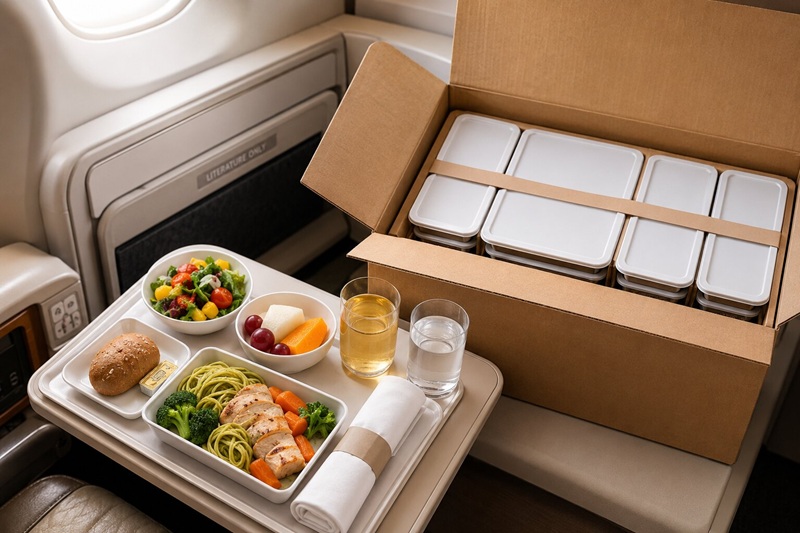
- Cold-chain discipline. Temperature control from sourcing to galley is non-negotiable. A perfect ingredient ruined in transit is a failed order.
- Transparent contingency planning. When something fails, the team substitutes quickly and tells the flight department immediately, without theater.
- Flexibility for shifting passenger lists. Family flights and corporate trips frequently add or remove passengers at the last minute. Catering plans designed to absorb sudden changes are far more useful than rigid menus.
- HACCP and aviation safety compliance. Speed cannot compromise safety. Every shortcut taken in food handling is a future incident waiting to happen.
Conclusion
The thrill of aviation catering is the chase itself. It is the call that comes in at midnight, the supplier who answers on the second ring, the courier who clears customs in time, the chef who plates with seconds to spare, and the passenger who never knows any of it happened. This is not a hospitality business with logistical complications. It is a logistical business with hospitality as its product. The operators who treat it that way consistently deliver experiences that ultra-high-net-worth passengers remember and recommend. Those who treat it as a kitchen with wings tend to stumble the moment something changes, which in this industry is constantly. Dark Wing Inflight built its global network specifically for the chase, working with vetted partners across 135 countries to absorb pressure, hit deadlines, and deliver the kind of meal a passenger expects to receive only at their favorite restaurant on the ground.
Frequently Asked Questions
What does aviation catering actually involve beyond preparing food?
Aviation catering covers far more than cooking. It includes sourcing ingredients, often across countries, coordinating with restaurants, hotels, and specialty suppliers, managing temperature-controlled transport from kitchen to aircraft, handling customs and security clearances for international flights, plating and packaging for galley reheating, and coordinating with cabin crew on service timing. The work also involves dietary verification for allergies and cultural requirements, contingency planning for last-minute changes, and post-flight feedback loops. A successful aviation catering operation is part culinary, part logistics, and part diplomatic. The food is the visible outcome, but most of the work happens before anything reaches the cabin.
How quickly can aviation caterers respond to last-minute requests?
Established global caterers can typically respond to urgent requests within 2 to 4 hours, depending on the complexity of the menu and the departure location. Simple cold platters, sandwiches, or pre-prepared dishes can be assembled and delivered quickly at most major airports. More complex requests involving rare ingredients, restaurant-specific dishes, or international sourcing usually require 12 to 24 hours of notice. Providers with deep local networks at each airport tend to handle short-notice orders better than those operating through generic contracts. Dark Wing Inflight maintains 24/7/365 multilingual coordination specifically to manage the unpredictable timelines that define this segment of the industry.
Why does aviation catering cost more than ordinary restaurant catering?
The pricing reflects everything that surrounds the food. Aviation catering involves specialized cold-chain logistics, airport access fees, ground handler coordination, custom packaging built for galley reheating, and the labor of multilingual coordinators working across time zones. Sourcing rare or specific ingredients on short notice carries premium costs. Compliance with HACCP, aviation safety, and customs standards adds another layer. The food itself is often a small fraction of the total. What clients are actually paying for is the certainty that the meal will arrive at the right temperature, in the right condition, at the right moment, regardless of where in the world the flight departs.
Which regions are hardest for aviation caterers to operate in?
Remote airports in Africa, Central Asia, parts of the South Pacific, and certain regions of Latin America can be challenging due to limited local sourcing infrastructure, longer customs timelines, and fewer aviation-certified suppliers. Caterers operating in these regions rely heavily on pre-positioned ingredients, partnerships with high-end hotels, and overnight transport from larger hub airports. The strongest providers maintain vetted local relationships specifically for these locations, so that flights departing from less common airports still receive the same standard of service expected at major hubs like London Heathrow, Dubai, or Teterboro.
How does aviation catering maintain food safety across so many handoffs?
Food safety in aviation catering depends on three things: certified kitchens, unbroken cold-chain transport, and trained handlers at every point of transfer. Reputable caterers operate under HACCP standards and additional aviation-specific food safety protocols, with documented temperature logs from preparation through delivery. Packaging is designed to retain temperature integrity during ground transport and galley reheating. Ground handlers and FBO staff who interact with the food are typically briefed or trained on proper handling. Any break in the cold chain is grounds for substitution rather than service, because passenger safety always outranks menu fidelity.