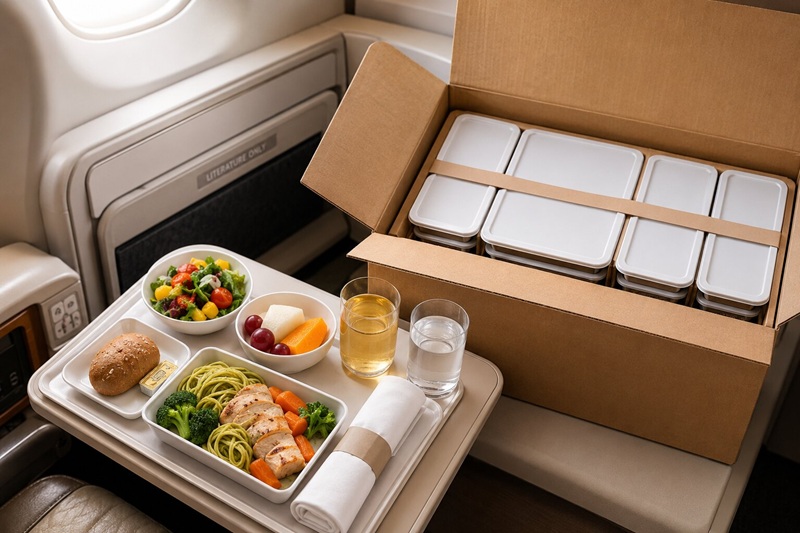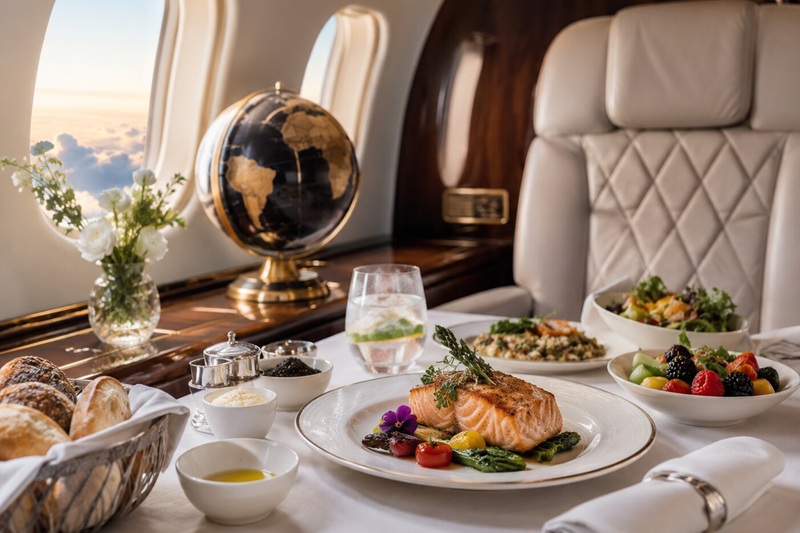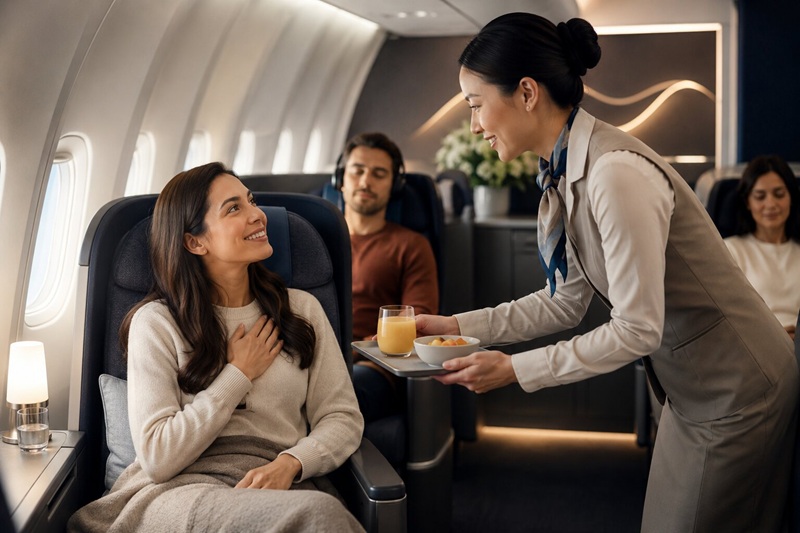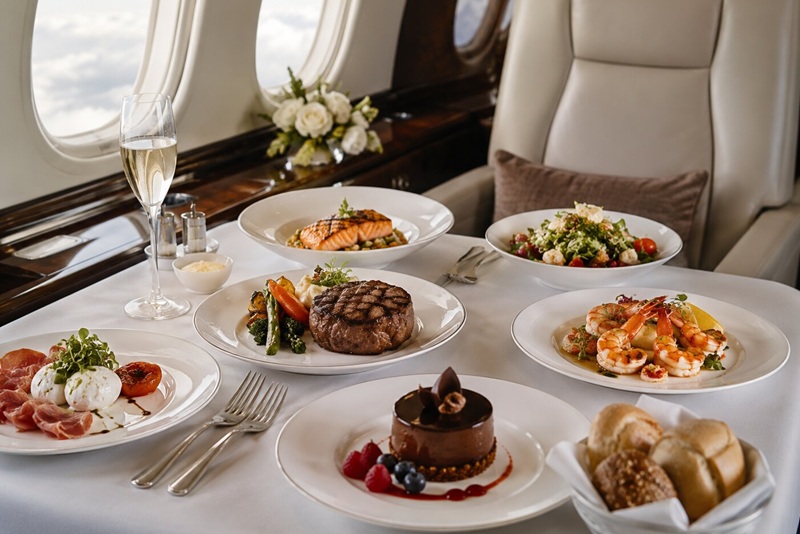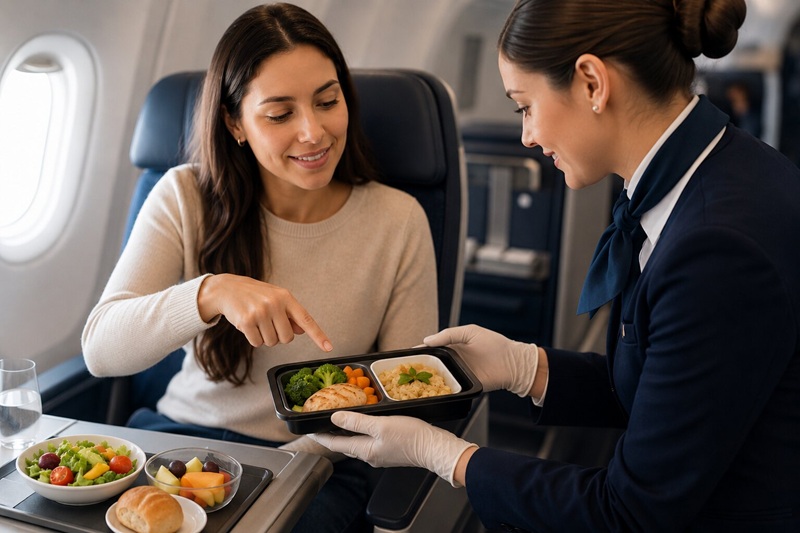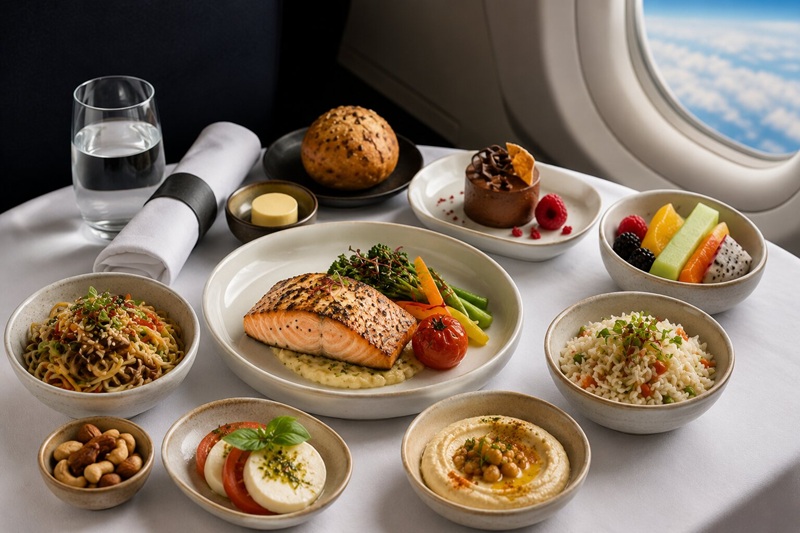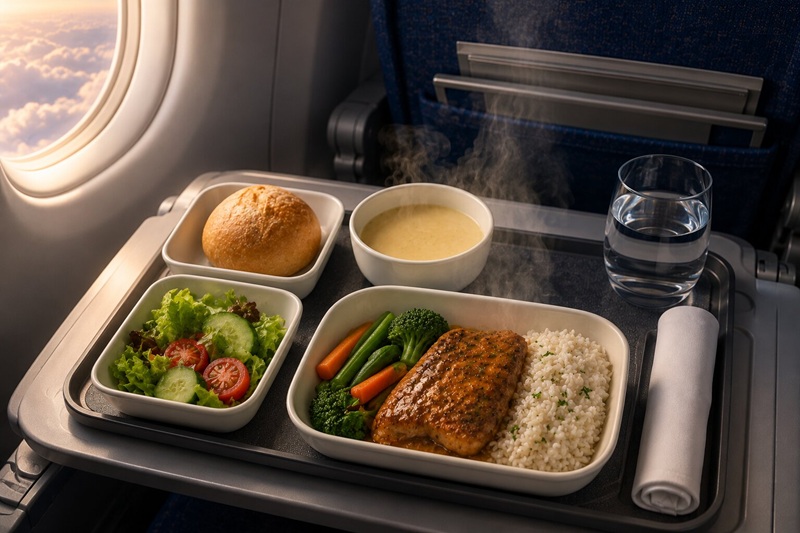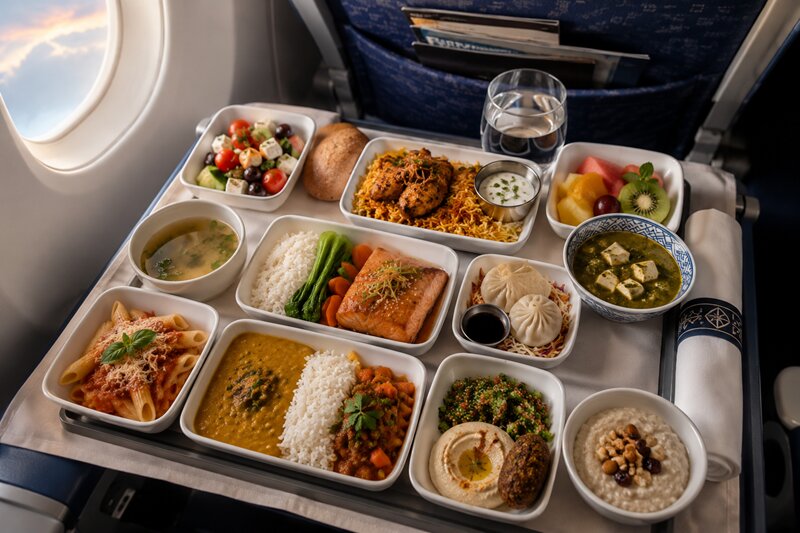
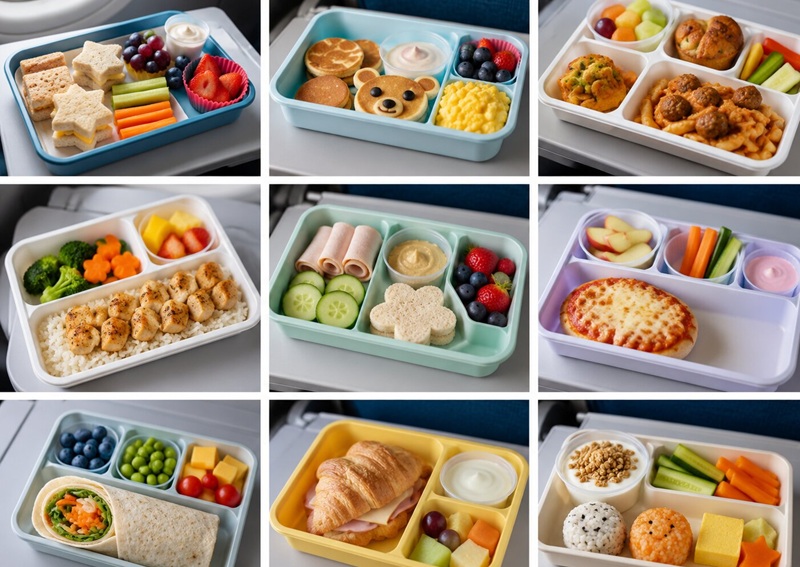
Feeding children at 40,000 feet is one of the more underrated challenges in private aviation. Cabin pressure dulls flavor, altitude can upset small stomachs, and a tired child rarely makes diplomatic food choices. Family flights call for menus that travel well, look appealing, and align with what young passengers will actually eat. The World Health Organization's 2025 nutrition targets, extended to 2030, continue to emphasize balanced, diverse diets for children under five, which is something thoughtful flight catering can support rather than undermine. Below are nine practical, kid-tested meal ideas used by aviation catering teams worldwide. Each one balances familiarity with quality ingredients, holds up well during reheating, and gives parents and crew a smoother flight from boarding to landing.
Why Children Need a Different Menu Approach in the Air
Children are not small adults at altitude. They dehydrate faster, have less patience for unfamiliar food, and respond more strongly to the dulled flavor perception that comes with cabin pressure. Recent industry coverage on inflight kids' meals confirms that the most successful children's menus prioritize familiar, recognizable dishes with mild flavors and avoid anything spicy, overly saucy, or unfamiliar. The goal is comfort food prepared to a high standard, not adult dishes scaled down. Premium inflight catering services for private jets often adjust the seasoning, texture, and visual presentation specifically for younger passengers, recognizing that a happy child on board makes the entire family flight more pleasant for everyone.
9 Meal Ideas That Work for Children on Board
1. Mini Pasta with Hidden Vegetable Sauce
Pasta is universally accepted by children and reheats beautifully in a galley. Small shapes like fusilli, farfalle, or shells are easier to eat than long noodles. A smooth tomato-based sauce blended with pureed carrots, zucchini, and spinach delivers vegetables without the visible chunks that picky eaters often reject. Topped with mild grated cheese and served at a temperature slightly cooler than adult portions, this dish is reliable on flights of any length.
2. Build-Your-Own Chicken Tender Box
Breaded chicken tenders made with high-quality, free-range chicken remain one of the most requested kid items in private aviation. Serving them in a box with separate compartments for dipping sauces (ketchup, honey mustard, mild barbecue), apple slices, and a small portion of fries gives children control over their meal. Choice is a powerful tool for keeping young passengers engaged at mealtime.
3. Fresh Fruit and Cheese Skewers
Cubes of mild cheese, grapes, melon balls, and strawberries threaded onto blunt food picks create a visually fun, no-reheat option. Skewers travel well, require zero galley work, and serve as both a light meal and a between-flight snack. They also offer hydration through high-water-content fruits, which is especially valuable on longer flights where children are prone to dehydration.
4. Mini Sliders or Tea Sandwiches
Small, palm-sized sandwiches feel like a treat to young passengers. Soft brioche sliders with mild cheese, turkey, or grilled chicken work well, as do classic tea sandwiches with cucumber, cream cheese, or simple egg salad. Crusts removed, cut into shapes when appropriate, these are quick to serve and easy to hold for kids who want to keep playing or watching a movie while they eat.
5. Avocado and Cucumber Sushi Rolls
Many children love the texture and fun shape of sushi, even if raw fish is off the menu. Cucumber rolls, avocado rolls, and California-style rolls with cooked shrimp or crab are excellent introductions. Served with a tiny dish of mild soy sauce, they are visually engaging and surprisingly easy for small hands. This option appeals particularly to families flying through Asia, the West Coast of the United States, or the Gulf region, where high-quality sushi is readily sourced.
6. Pancakes or French Toast Sticks
For breakfast departures, pancakes or French toast cut into sticks are a near-universal hit. Served with maple syrup or fresh berries on the side, they hold well during reheating and provide enough energy for the first few hours of a flight. Pair with scrambled eggs and small fruit cups for a complete meal that even reluctant morning eaters tend to accept.
7. Veggie-Loaded Macaroni and Cheese
A classic mac and cheese made with real cheddar, cooked with finely diced cauliflower or butternut squash blended into the sauce, delivers a satisfying comfort food that holds up well during reheating. The vegetables are virtually invisible to the child but add nutritional value parents appreciate. Individual ramekin portions also make plating easy for cabin crew and reduce mess in the cabin.
8. Greek Yogurt Parfait with Berries and Granola
Layered Greek yogurt, fresh berries, and a small portion of mild granola served in a clear cup is one of the simplest meals to prepare and one of the most appealing to children visually. It works as a light meal, a dessert, or a between-service snack. The protein from the yogurt also helps keep energy levels stable, which is helpful on long-haul flights where overtired children can become difficult to manage.
9. Mini Pizzas with Custom Toppings
Personal-sized pizzas on a soft, par-baked crust let each child choose their own toppings: cheese only, pepperoni, mild vegetables, or a mix. The galley finishes them with a quick reheat just before service. Few dishes generate the same level of enthusiasm from young passengers, and the customization aspect turns a routine meal into something memorable. This is also a useful option for mixed-age family groups, since teens and older children often enjoy a slightly upgraded version of the same dish.
Practical Tips for Planning Children's Inflight Meals
Flight departments, parents, and cabin crew can apply a few principles to make children's meal service smoother on any flight:
- Confirm preferences in advance. Ask the family for each child's likes, dislikes, and any allergies at least 24 hours before departure.
- Avoid common allergens by default. Skip nuts, shellfish, and other high-risk ingredients unless specifically requested and confirmed safe.
- Plan for hydration. Pair meals with water, diluted juice, or milk rather than only sugary drinks. High-water-content fruits help too.
- Build flexibility into the menu. Last-minute family additions are common in private aviation. Catering plans that absorb sudden passenger changes are far more useful than rigid menus.
- Keep portions appropriate. Smaller, well-presented portions waste less and feel less overwhelming to children.
- Coordinate the catering inflight delivery timing. Children get hungry on their own schedule. Ground-to-aircraft coordination should account for boarding delays and early hunger.
Conclusion
Feeding children well on a private jet is not about turning the cabin into a restaurant. It is about understanding what young passengers actually want, what they will actually eat, and what makes them comfortable at altitude. The nine ideas above all share the same logic: familiar foods, high-quality ingredients, smart presentation, and practical galley logistics. When the kids on board are well fed and content, parents relax, crew workloads drop, and the entire flight runs more smoothly. That outcome is worth planning for. With the right catering partner, every family flight can deliver a meal experience that children remember positively and parents appreciate quietly. Dark Wing Inflight brings this thinking to every order, drawing on its global network of Michelin-star chefs, five-star hotels, and trusted local caterers to make sure that even the youngest passengers fly well fed.
Frequently Asked Questions
What are the best meals to serve children on a private jet?
The best inflight meals for children are familiar, mild in flavor, easy to eat with small hands, and reheat well in a galley. Pasta with a smooth sauce, chicken tenders, mini sliders, mac and cheese, fruit and cheese skewers, and small pizzas are consistently popular. Breakfast staples like pancakes or French toast sticks also work well on morning departures. The key is to avoid spicy, exotic, or overly complex dishes that children may reject, while still using high-quality ingredients. A successful kids' menu balances familiar comfort food with thoughtful nutrition, served in age-appropriate portions and presented in a way that feels fun rather than clinical.
How should I plan inflight meals for kids with food allergies?
Always inform the catering provider of any allergies at least 24 to 48 hours before the flight, ideally with the specific allergen named and the severity noted. Reputable inflight caterers will source ingredients from certified suppliers, prepare meals in separate spaces to avoid cross-contamination, and label every dish clearly. For severe allergies such as peanut or shellfish anaphylaxis, request a fully allergen-free flight environment in writing. Dark Wing Inflight coordinates with families and flight departments to verify ingredient safety across its network of 2,800+ partners, ensuring that children with allergies receive meals that are both safe and enjoyable. Never assume that a previous flight's menu is automatically safe for the next one. Re-confirm every time.
Are children's meals included in standard private jet catering orders?
Most private jet catering providers offer children's menus on request, though they are usually arranged separately from the main passenger menu. Specify the number of children, their approximate ages, and any preferences when placing the order. Some providers also offer themed kids' menus, special packaging, or fun presentation elements like character-shaped fruit, custom dessert plates, or small surprises. These touches are optional but can significantly improve the flight experience for families. Confirm what is included and what carries an additional charge during the booking process.
How can I keep my child from getting airsick on a private jet?
Light, easily digestible meals served at moderate temperatures help reduce the likelihood of airsickness in children. Avoid greasy, heavily fried, or strongly flavored foods before and during the flight. Encourage steady hydration with water or diluted juice rather than carbonated drinks. Small portions eaten slowly are usually better tolerated than large meals consumed quickly. If a child is prone to motion sickness, speak with a pediatrician before flying. Many flight departments also keep ginger-based snacks or other mild stomach-settling options available on request as part of the family catering plan.
How far in advance should family catering orders be placed?
For family flights with children, 48 to 72 hours of lead time is ideal. This allows the catering team to source specific ingredients, accommodate allergies, prepare themed presentations if requested, and coordinate with multiple suppliers if children have different preferences. Last-minute orders can still be fulfilled, especially through providers with strong global networks, but the menu options may be more limited. Dark Wing Inflight operates 24/7/365 across 2,000 airports in 135 countries and routinely accommodates urgent family catering requests, though earlier notice always produces better results.