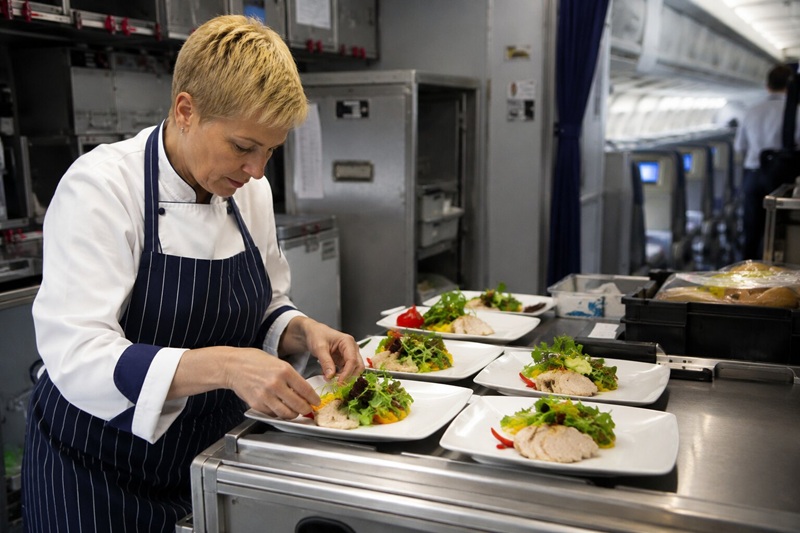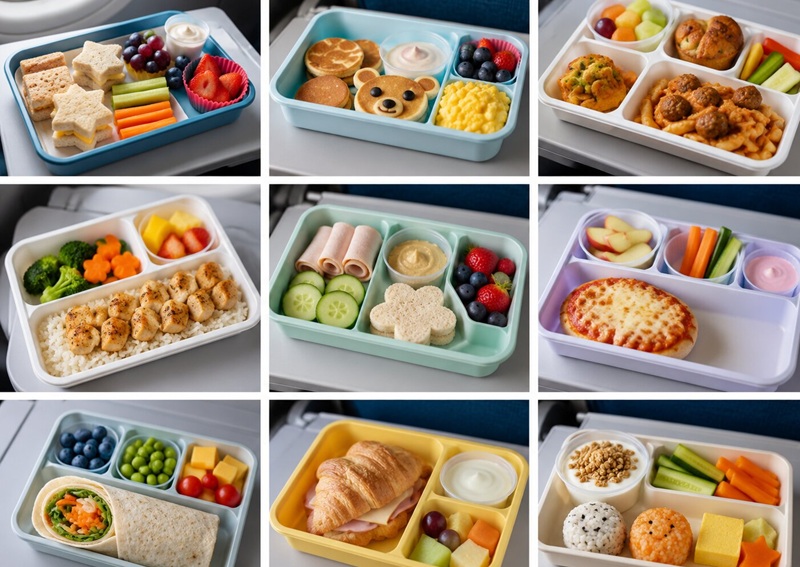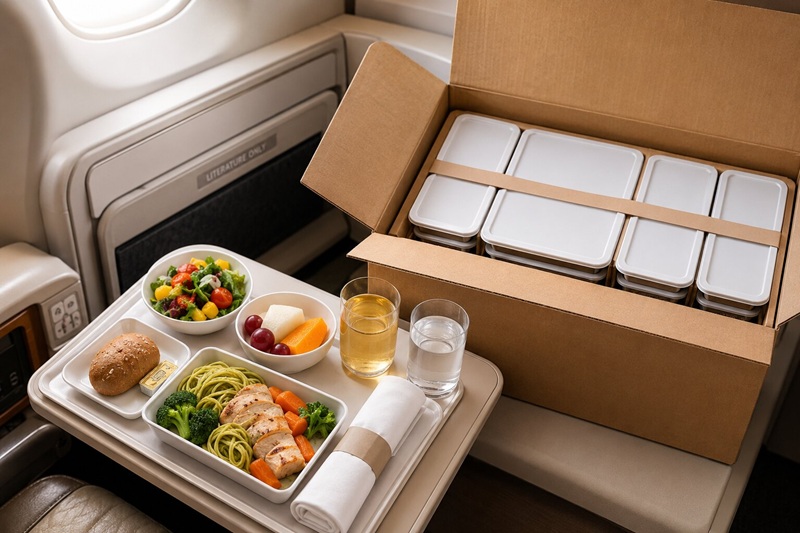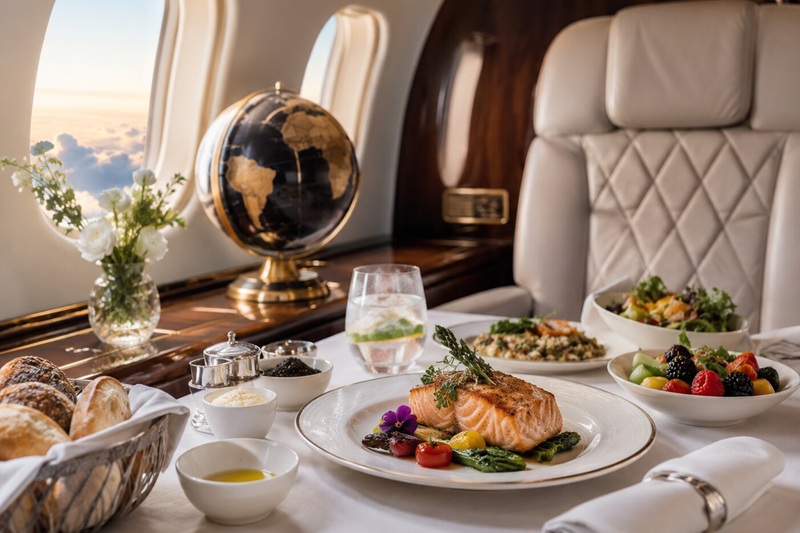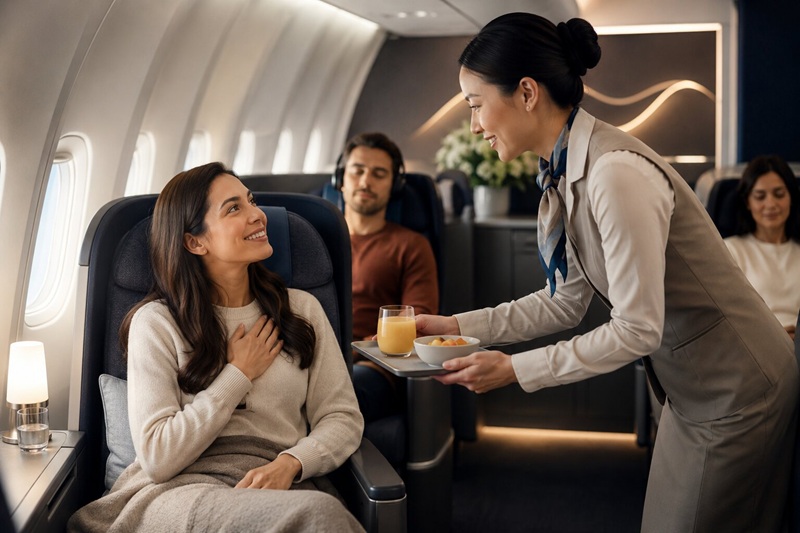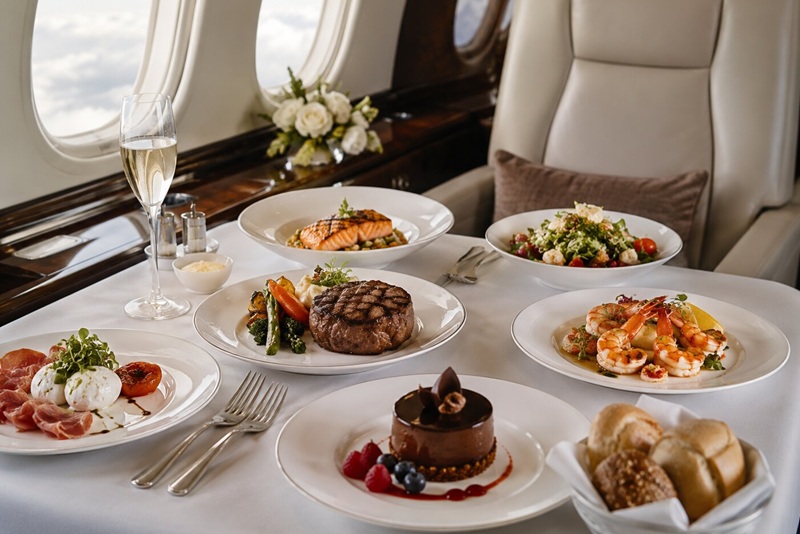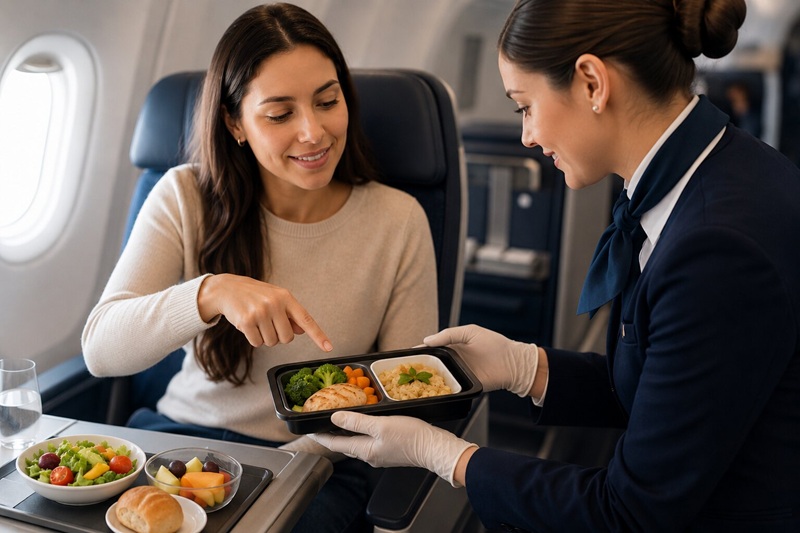
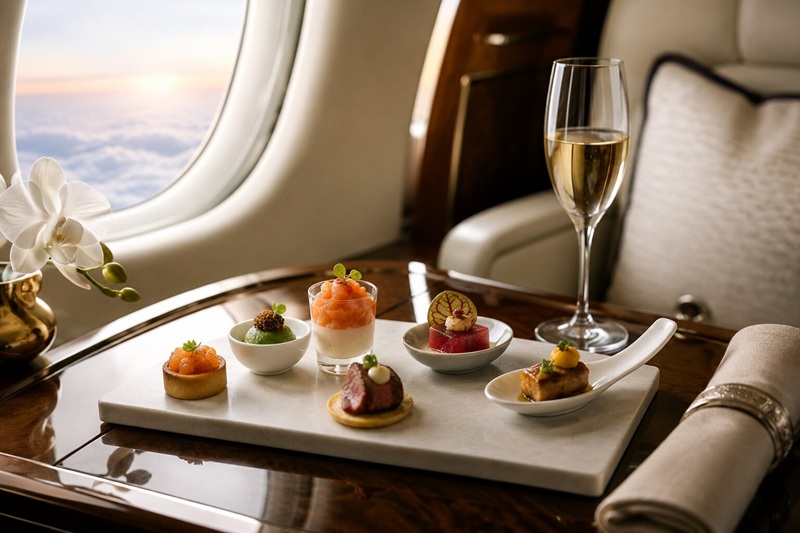
Big plates are no longer the default expectation on private flights. Across the industry, passengers are asking for smaller portions, more variety, and a service rhythm that fits the way they actually want to eat in the air. The shift is part appetite, part wellness, and part economics. According to the James Beard Foundation's 2026 restaurant food trends report, small plates remain firmly entrenched in fine dining and continue to drive how chefs think about menu design. The trend has migrated into private aviation, where the constraints of the cabin and the preferences of frequent flyers make mini meals especially well suited. This article looks at why mini meals are gaining ground, what categories work best at altitude, and how flight departments can plan a service that delivers more flavor with less waste.
Why Mini Meals Make Sense at Altitude
The cabin environment changes how passengers eat. Reduced humidity dulls taste perception, smaller portions sit better with the body during pressure changes, and longer flights often involve multiple short service rounds rather than a single large meal. Mini meals match all of these realities. A passenger can sample a tapas spread early in the flight, return for a hot small plate two hours later, and finish with a dessert flight before landing, all without feeling weighed down. The variety also masks the flavor-dulling effect of altitude. A single bold-flavored bite registers more clearly than a large plate with one dominant taste profile. For families, mixed-age groups, and corporate flights with diverse dietary preferences, mini meals also solve a practical problem: everyone can sample what suits them without committing to a single shared menu.
The Industry Forces Behind the Mini Meal Shift
Several trends are converging at once. Tasting Table's 2026 food trend coverage, citing a National Restaurant Association survey, reports that 73 percent of adults say they prefer smaller portions at lower prices across various dining categories, with the figure higher among younger consumers. Restaurants are responding with tapas-style menus, tasting flights, and split-portion options. The hospitality industry is leaning the same way, with 2026 menus increasingly built around small plates as a default rather than a niche format. Private aviation reflects this shift quickly because the passenger base skews toward people who are eating well across many global cities and bringing those preferences into the cabin. A passenger who dines on small plates at Sketch in London on Monday and Sushi Saito in Tokyo on Wednesday will expect a similar rhythm on the flight in between.
Categories of Mini Meals That Work Well on Private Jets
Not every dish translates to a mini format. The best mini meals share a few qualities: they hold their structure during reheating, they deliver concentrated flavor in a small bite, and they look intentional on the plate. The most reliable categories include:
- Elevated canapes and amuse-bouche. Single-bite preparations like seared scallop with citrus, beef tartare on toasted brioche, or smoked salmon blinis with creme fraiche.
- Tapas-style spreads. Iberico ham, marinated olives, padron peppers, manchego, pan con tomate, and crispy potato bravas. Easy to serve, no reheating drama.
- Mini Asian bowls. Small portions of bibimbap, ramen broth with a single dumpling, sushi rolls, and bao buns. These hold up well at altitude and pair well with the umami-rich flavors that perform best in the cabin.
- Slider-format proteins. Wagyu sliders, lobster rolls cut into thirds, mini chicken katsu sandwiches. Familiar enough for any passenger, refined enough for a private cabin.
- Dessert flights. Three or four small sweets rather than a single full plate. Macarons, mini tarts, single-bite chocolates from a named patisserie, and seasonal fruit verrines.
- Soup shooters. Two-ounce servings of seasonal soups served warm, useful as a course transition or a between-service snack.
The Wellness and Waste Reduction Connection
Mini meals align almost perfectly with two of the strongest currents in luxury travel right now: wellness-focused eating and waste reduction. Smaller portions naturally reduce overconsumption, which appeals to passengers who want to land feeling energized rather than heavy. Multi-course mini formats also give cabin crew more flexibility to pace service around passenger preferences. From a sustainability angle, small portions cut food waste dramatically. When a passenger can select two or three items from a wider spread, fewer untouched entrees leave the cabin. Dark Wing Inflight's coverage of sustainable practices in VIP catering explores how this kind of menu design supports broader waste-reduction goals while preserving the standard of luxury that clients expect. The mini meal trend is one of the rare cases where what passengers want, what is healthier, and what is better for the environment all line up.
How to Design a Mini Meal Service for a Private Flight
Building a mini meal service is not just about cutting portions in half. It requires structure. A well-designed flight menu typically includes three to five service rounds, each with two to four small items, calibrated to flight duration and passenger profile. For a six-hour transatlantic flight, the cadence might be: welcome canapes and champagne, a hot small-plate course an hour into the flight, a mid-flight tapas spread, and a dessert flight before descent. For shorter flights, two or three rounds work better. Premium private jet catering teams plan these sequences in advance, factoring in galley reheating capabilities, plating logistics, and the time each course will take to serve. The best current trends in luxury private aviation menus emphasize this kind of structured rhythm, with passengers increasingly expecting a sequence of small experiences rather than a single large meal.
Best Practices for Catering Coordinators
Flight departments and coordinators planning a mini meal service can apply a few specific practices:
- Build around three to five service rounds. Each round should feel distinct in flavor profile, temperature, and presentation.
- Vary the textures and temperatures. A crispy bite, a warm broth, a chilled tartare, and a soft dessert across one flight keeps the palate engaged.
- Mind the protein balance. Mini meals can skew light. Build in enough protein across the courses so passengers do not arrive hungry.
- Pre-portion for galley efficiency. Mini meals work best when each component is portioned and packaged separately, allowing cabin crew to assemble quickly.
- Plan dietary alternates per round. For mixed-diet groups, include vegan, halal, gluten-free, or kosher versions of each round rather than a single substitution at the end.
- Document passenger preferences for future flights. Mini meal service is highly personal. Recording which bites worked and which did not turns the next flight into a better experience automatically.
Conclusion
The mini meal trend is not a passing fashion. It reflects a deeper shift in how people want to eat, especially when they are flying. Smaller portions, more variety, structured service rounds, and a closer match between menu and passenger preference all point in the same direction. Private aviation, with its capacity for genuine personalization, is exceptionally well placed to deliver this kind of experience at a level commercial flights cannot match. The flight departments and catering partners who lean into the trend now will be well positioned for the way passengers will want to dine in the air for years to come. Dark Wing Inflight builds mini meal services for clients across its network of 2,800+ partners in 135 countries, drawing on Michelin-star chefs, five-star hotels, and trusted local caterers to design service rounds that perform beautifully at altitude. A little, when planned well, really does go a long way.
Frequently Asked Questions
What is a mini meal on a private jet?
A mini meal is a small-portion dish, usually one to three bites, served as part of a multi-course or tapas-style sequence rather than as a single full-sized entree. Examples include canapes, sliders, sushi pieces, soup shooters, dessert flights, and tapas-style spreads. The format gives passengers variety, allows for more flexible service timing, and reduces food waste. Mini meals also perform well at altitude because the cabin environment makes large portions less appealing for many passengers. Most private aviation catering providers can build a complete flight menu around mini meal rounds rather than traditional courses, calibrated to the flight duration, the aircraft galley equipment, and the dietary preferences of the passengers on board.
Why are mini meals trending on private jets in 2026?
Several trends are converging at once. Consumer preferences have shifted toward smaller portions and more variety, with 73 percent of adults in recent surveys reporting they prefer smaller portions at lower prices. Wellness-focused eating, which prioritizes lighter and more frequent meals, is now a defining feature of luxury travel. Sustainability concerns are pushing operators to reduce food waste, and mini meals naturally produce less waste than oversized plated entrees. Cabin science also plays a role: at cruising altitude, smaller, more concentrated flavors register better on the palate than large, mild dishes. These factors together have made mini meals one of the strongest menu trends in private aviation for 2026.
How long should a mini meal service take on a private flight?
Service pacing depends on the flight duration and passenger preferences. For a flight of three hours or less, two service rounds with two to three small items each usually work well. For flights of five to seven hours, three to four rounds spread across the flight create a more enjoyable rhythm. Ultra-long-range flights of ten hours or more can support five or six rounds, with breakfast service near landing. The key is to space the rounds so passengers can rest, work, or sleep between courses without feeling that meals are interrupting their flight. Cabin crew typically calibrate the timing based on the cues each passenger gives during the first hour of the flight.
Can mini meals accommodate special dietary requirements?
Yes, and they often do this better than traditional plated entrees. Because mini meal service involves multiple small items per round, it is straightforward to include vegan, halal, kosher, gluten-free, or allergen-free versions of each round rather than substituting a single dish at the end of the flight. This makes mini meals especially popular for mixed-diet family groups and corporate flights with diverse passenger requirements. Specialized jet catering services can prepare multiple parallel mini meal tracks for the same flight, allowing every passenger to enjoy the same service rhythm with food that fits their personal dietary profile.
Do mini meals cost more or less than a standard plated entree service?
Costs vary based on ingredients, sourcing, and the number of courses. A multi-round mini meal service using premium ingredients (caviar, wagyu, truffle, fresh seafood) can cost more than a traditional plated entree because of the variety and the preparation time involved. A simpler mini meal service built around tapas, sliders, and dessert flights can cost comparably or less, especially when waste reduction is factored in. Many flight departments find that mini meal service delivers better value over time because passengers consume more of what they want and less of what they do not, reducing the portion of each order that ends up uneaten.