Service Excellence in Private Aviation Is Built on Preparation, Not Improvisation
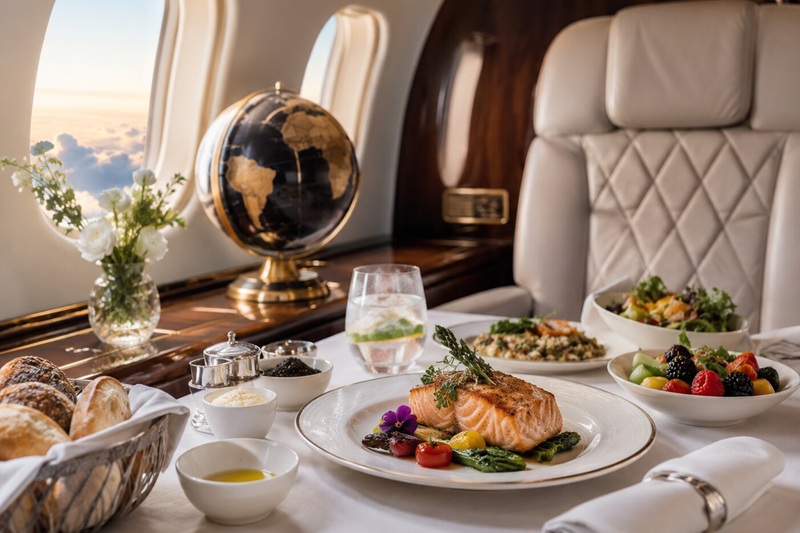
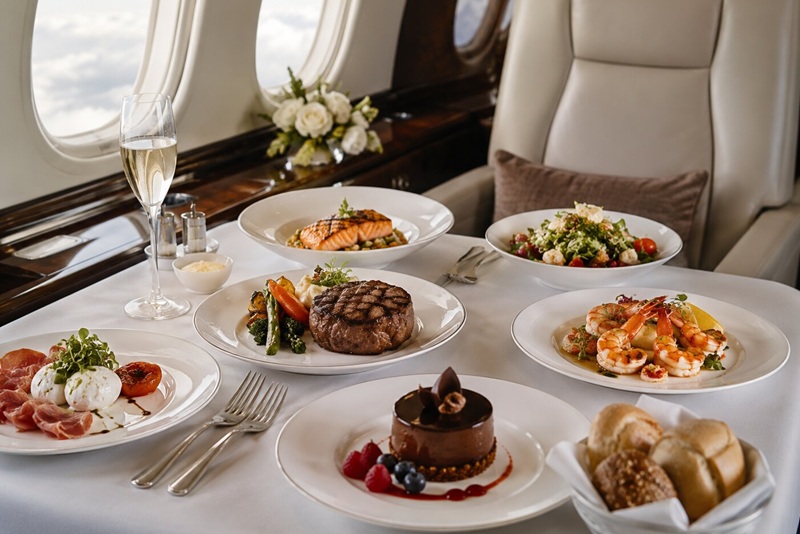
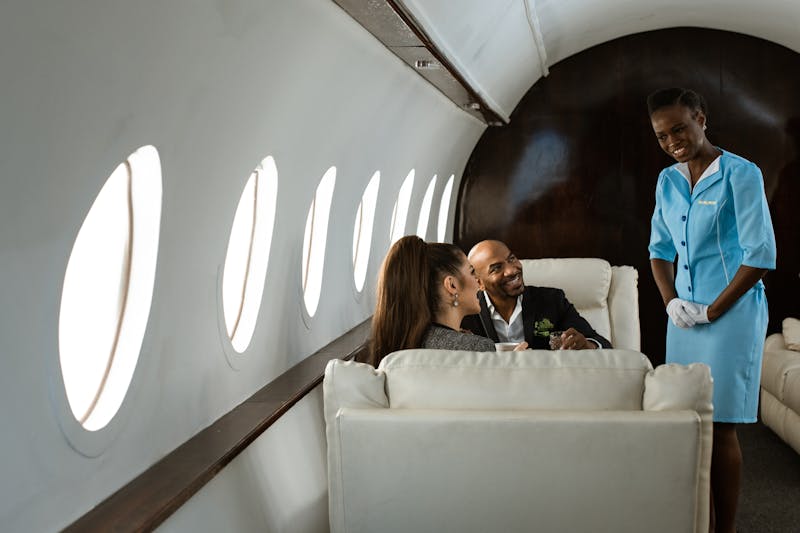
Corporate flight attendants operate in a fundamentally different environment from their commercial counterparts. There are no standardized meal trays, no pre-set beverage carts, and no script to follow. Every flight is a custom operation, shaped by the principal's preferences, the passenger manifest, the route, and the aircraft. In 2026, passengers in private aviation expect restaurant-quality food, anticipatory service, and the kind of personal attention that comes from genuine preparation rather than guesswork.
These eight tips are designed for working CFAs who want to sharpen their inflight service, strengthen their catering process, and consistently deliver the kind of experience that principals and passengers remember.
1. Build a Passenger Preference Profile Before the First Service
The best corporate flight attendants never ask a repeat passenger how they take their coffee. They already know. Building a detailed passenger preference profile is one of the most valuable habits a CFA can develop. This includes dietary restrictions, favorite cuisines, preferred beverages, plating preferences, and even the level of formality they expect during service.
Start collecting this information from the first trip. Note what they eat, what they leave untouched, and what they compliment. Store it in a format you can reference quickly before every flight. Over time, this profile becomes your most powerful tool for delivering personalized private jet cabin service without having to ask repetitive questions.
2. Inspect Every Catering Delivery Before It Goes Onboard
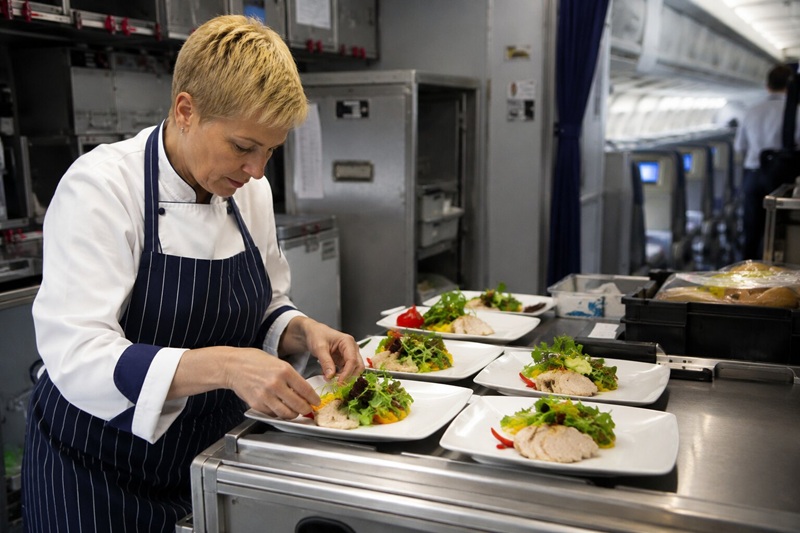
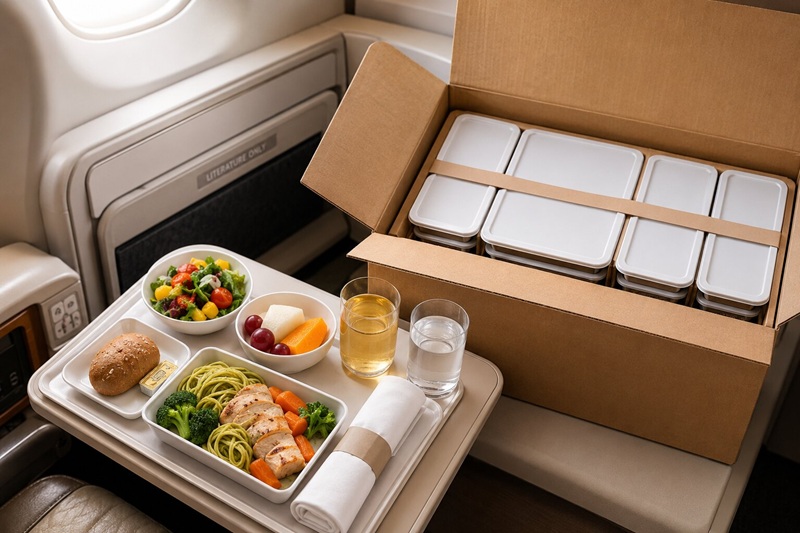
Never assume that what was ordered is what was delivered. Open every container, check every label, and verify that quantities match the order. Look for presentation issues: leaked sauces, crushed garnishes, wilted greens, or packaging that has shifted during transport. If something is not up to standard, you have a narrow window to request a replacement or adjust the service plan. Dark Wing Inflight's network of 2,800+ partners trained to meet aviation presentation standards helps reduce these issues, but the final quality check always belongs to the CFA at the aircraft door.
3. Time Your Service Around the Mission, Not a Clock
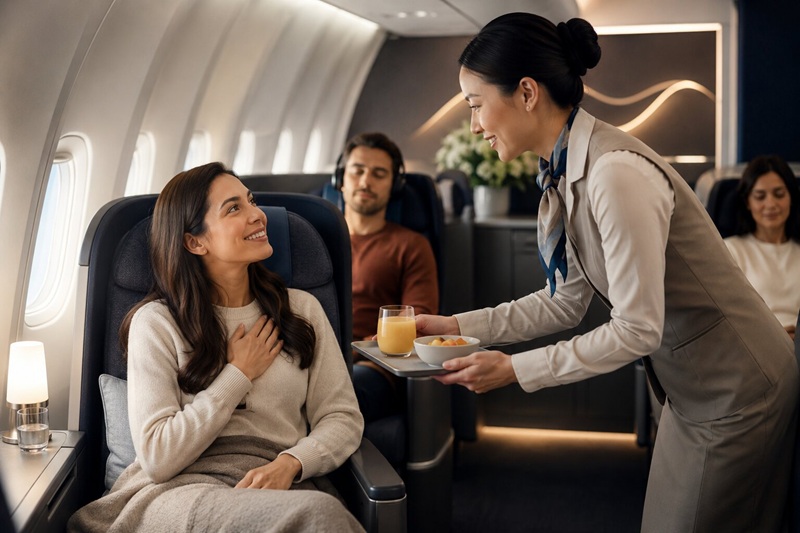
A common mistake is serving meals on a fixed schedule. In corporate aviation, the service should be timed around the mission. If passengers board after a long meeting and immediately recline their seats, that is not the moment for a full meal presentation. If a principal is working through documents with a colleague, a quiet beverage service followed by a well-timed meal once the discussion wraps is far more appropriate.
Read the cabin. The best inflight service feels intuitive because the CFA is observing passenger body language and adjusting timing accordingly. On longer flights, plan service intervals around rest and work patterns rather than arbitrary time blocks.
4. Build a Relationship with a Catering Partner Who Understands Aviation
Your catering provider is your most important operational partner. The right provider understands galley limitations, altitude effects on food, aviation-grade packaging requirements, and the unpredictable scheduling that defines private aviation. The wrong provider treats your order like a restaurant delivery. Work with a partner who can handle last-minute changes, accommodate dietary requirements at short notice, and deliver consistently across different airports. Dark Wing Inflight operates across 2,000+ airports in 135 countries, providing CFAs with a single point of contact for catering coordination worldwide.
5. Prepare for Dietary and Cultural Requirements Proactively
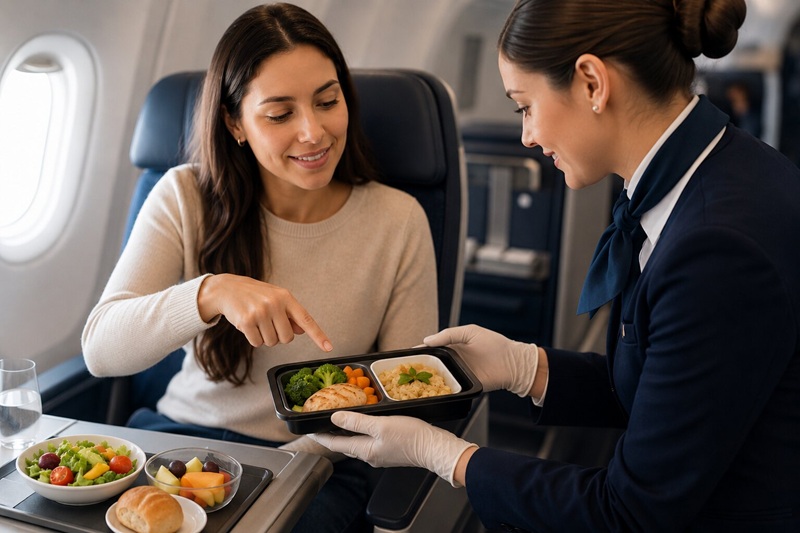
Do not wait for a passenger to tell you they cannot eat what you have onboard. Review the manifest before every flight and confirm dietary needs in advance. If you are carrying passengers from the Gulf region, verify that halal options are sourced from a certified supplier. If the manifest includes passengers you have not served before, default to inclusive menu choices that cover the most common restrictions: plant-based, gluten-free, and allergen-conscious options should always be available as fallbacks.
For international operations, cultural intelligence is as important as dietary compliance. Understanding the difference between a preference and a protocol matters. Our guide on the rules of catering on private jets covers practical scenarios that CFAs encounter on cross-cultural flights.
6. Stock Smart Backup Provisions on Every Flight
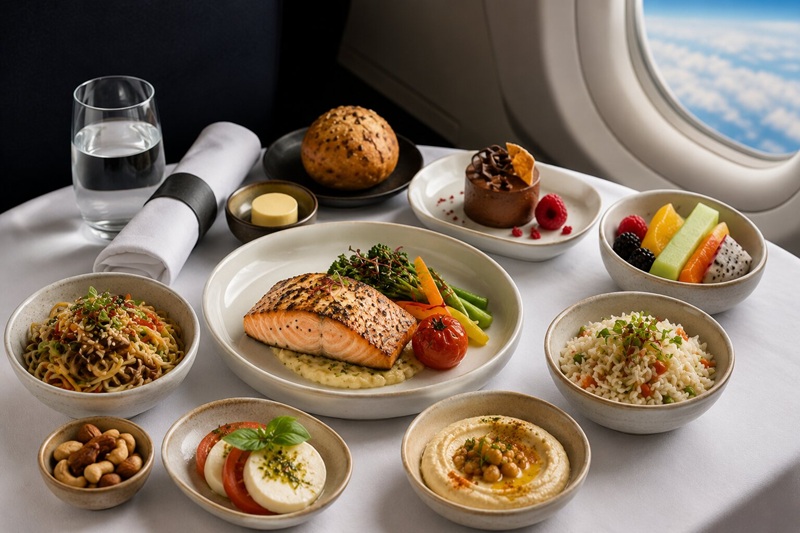
No matter how carefully you plan, the unexpected happens. A principal adds a guest at the last minute. A passenger declines the main entree. A connecting flight delay means the catering delivery is late and you need to serve from reserves. Smart CFAs maintain a standing inventory of backup items on every departure: premium snack boxes, whole fruit, artisan crackers with spreads, quality deli proteins, and a strong beverage selection.
These are not emergency rations. They are professional contingency items that allow you to serve with confidence even when the plan changes. The marginal cost of carrying a few extra items is always lower than the cost of having nothing to offer when a passenger is hungry.
7. Manage Cabin Aromas and Altitude Effects on Food
At cruising altitude, cabin pressure reduces taste sensitivity by roughly 30%, particularly for salt and sweet flavors. This affects how passengers experience everything you serve. Work with your catering provider to ensure that menus are seasoned for altitude, not for ground level. Rich, umami-forward flavors hold up better than subtle preparations that may taste flat at 40,000 feet.
Equally important is aroma management. Strong-smelling foods become more pungent in a pressurized cabin with recirculated air. Avoid dishes with heavy garlic, strong fish, or pungent cheeses unless specifically requested. On longer flights, where aromas linger, this becomes even more critical. The goal is a cabin that smells clean and welcoming, not like a kitchen.
8. Debrief and Document After Every Trip
The best CFAs treat every flight as a learning opportunity. After each trip, take five minutes to document what worked and what did not. Note any passenger feedback, catering issues, timing adjustments, or menu items that were particularly well received. Update your passenger profiles with new preferences or dislikes.
This documentation builds institutional knowledge that compounds over time. Six months of consistent post-flight notes gives you a detailed service playbook for every regular passenger. It also provides valuable feedback for your catering provider, helping them refine orders and improve delivery quality on future flights.
Frequently Asked Questions (FAQs)
What is the most important skill for a corporate flight attendant?
Anticipation. The ability to read passengers, predict their needs, and deliver service before they ask is the single most valued skill in corporate aviation. This requires a combination of observation, preparation, and detailed knowledge of each passenger's preferences. Technical skills in food service, safety procedures, and galley management are foundational, but the CFA who anticipates consistently outperforms the one who simply reacts.
How should a corporate flight attendant handle last-minute catering changes?
Stay calm and work with your catering provider immediately. Providers with 24/7 availability, like Dark Wing Inflight, can process modifications quickly even for same-day departures. Always have backup provisions onboard as a safety net. If a full menu replacement is not possible, adjust the service format. A well-presented selection of quality backup items served with confidence is always better than an apology for a missing entree.
How do corporate flight attendants manage dietary restrictions they were not told about in advance?
The best approach is to build inclusive defaults into every catering order. Always have at least one plant-based and one allergen-safe option available, regardless of the manifest. If an unknown restriction surfaces mid-flight, use your backup inventory and communicate openly with the passenger. After the flight, update your records so the restriction is captured for all future trips.
What catering formats work best for corporate flights under three hours?
Short corporate flights are best served with premium cold items that require no heating: charcuterie boards, fresh fruit, composed salads, gourmet sandwiches, and quality beverages. The service window on a two-hour flight is often less than 60 minutes once the aircraft reaches cruising altitude. Keep the format simple, the presentation polished, and the portions appropriate for a light service rather than a full meal.
How can a CFA improve their working relationship with a catering provider?
Communicate proactively, provide feedback after every order, and build a consistent working pattern. Share passenger profiles with your provider so they understand the standard you are working toward. Use a single provider wherever possible so they develop familiarity with your aircraft, your routes, and your passengers. A strong catering partnership reduces your workload, minimizes errors, and improves the onboard experience on every flight.
Final Thought
Exceptional inflight service is not about grand gestures. It is about consistency, preparation, and the quiet professionalism that makes every passenger feel like the only person onboard. These eight tips are designed to help corporate flight attendants build repeatable systems that produce outstanding results on every flight, not just the ones where everything goes according to plan.