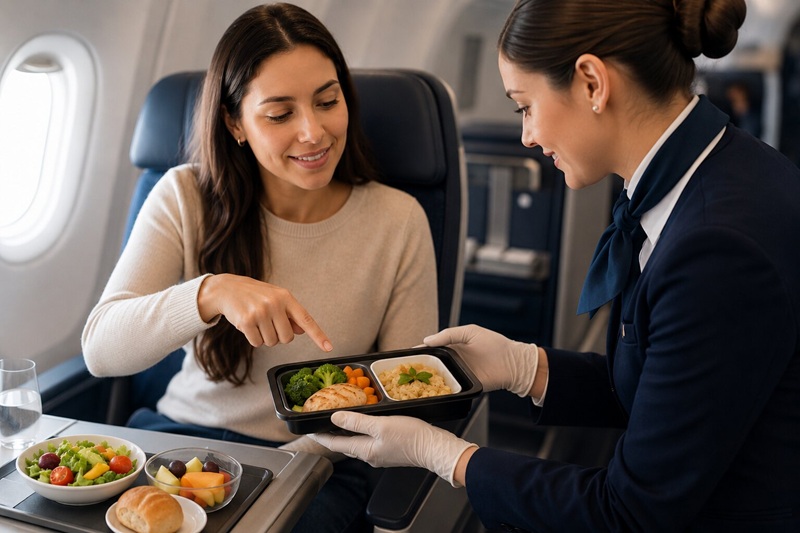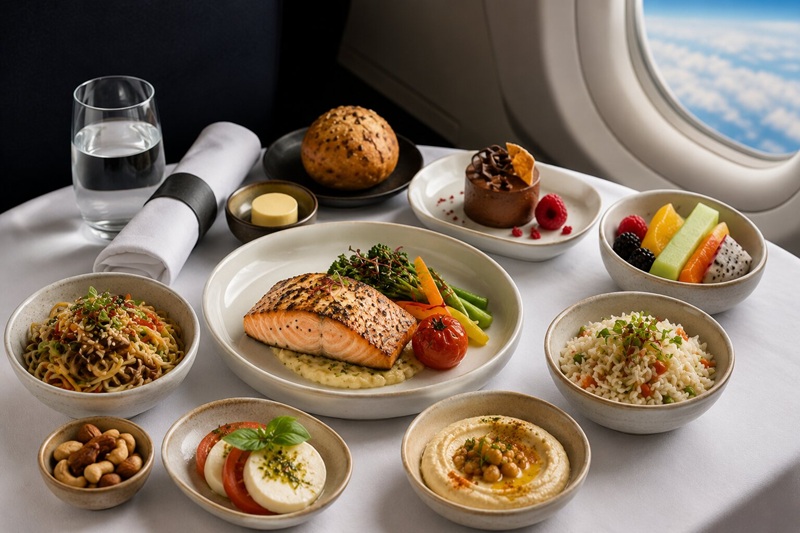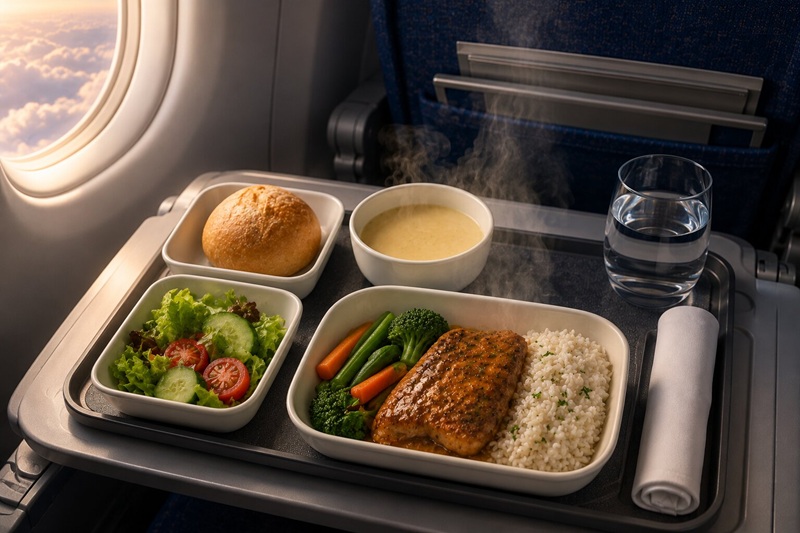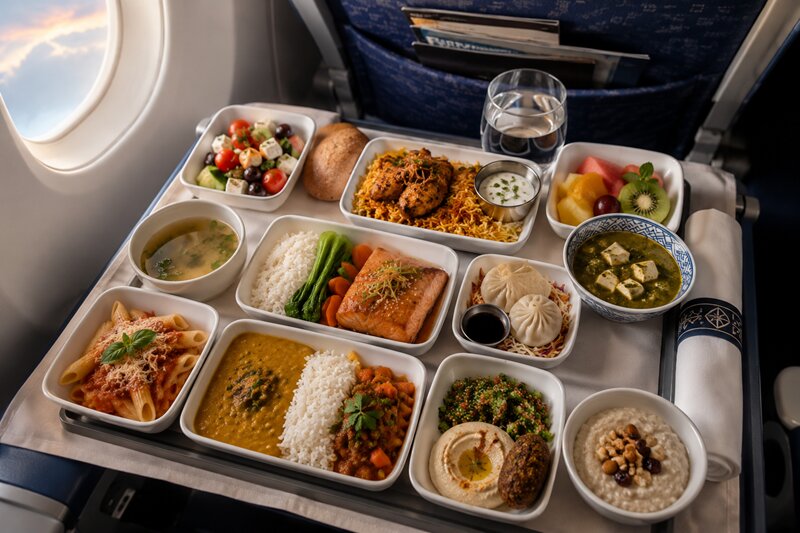
The luxury aviation industry is under growing pressure to minimize its environmental footprint. As the private jet operators set out their sustainability targets, VIP private jet catering companies will have to rethink sourcing, packaging, waste management and service delivery.
Since the majority of ultra-high-net-worth travellers are now taking environmental impact into account when deciding on which aviation services to use, this presents both challenges and opportunities for premium inflight caterers.
Why Sustainability Is Becoming Essential in VIP Jet Catering
Private aviation has long been scrutinized when it comes to carbon emissions. While aircraft manufacturers and operators are investing in sustainable aviation fuel and carbon offset programs, the catering aspect is often overlooked despite being a large component of onboard waste and supply chain emissions.
Inflight catering produces tons of waste annually for commercial and private aviation combined, with single use plastics and food accounting for the majority. VIP private jet caterers are now introducing comprehensive sustainability frameworks that cover multiple dimensions.
These include sourcing ingredients from local, organic and regeneratively farmed suppliers, redesigning packaging to avoid single use plastics, optimizing menu planning to reduce food waste and partnering with carbon neutral logistics providers. The aim is not so much to comply but to deliver real environmental value while not compromising the standards of luxury to which clients are accustomed.
How Smarter Ingredient Sourcing Reduces Environmental Impact
Geographic proximity is a key factor in sustainable catering operations. Progressive VIP inflight caterers focus on using regional ingredients where flight routes allow, which reduces transportation emissions while boosting local economies. For transcontinental flights, this means coordinating with departure and destination markets and not shipping ingredients all around the world.
Seasonal menu design further enhances sustainability. By aligning offerings with the time of harvest, caterers do not have to deal with energy intensive greenhouse production and cold chain long-haul transportation.
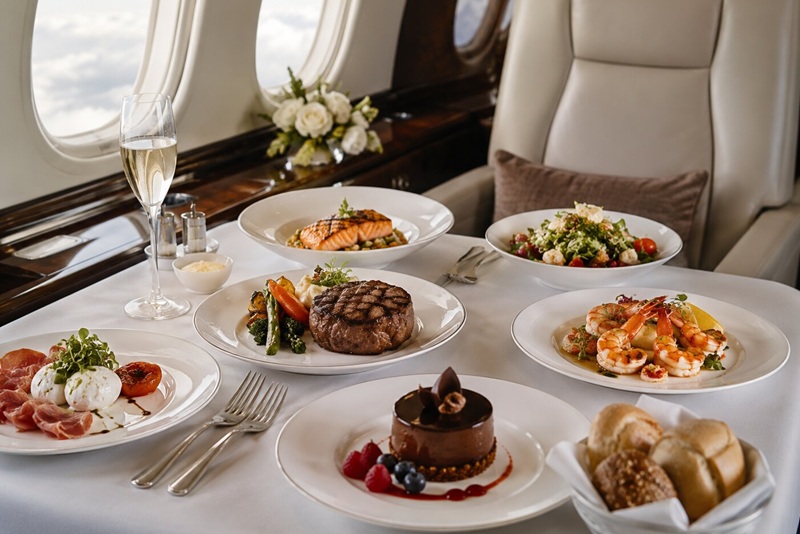
Spring menus could include Mediterranean vegetables if flying out from European airports, while autumn flights from North American hubs could feature local harvests of grains and vegetables. This approach delivers peak freshness along with environmental benefits.
Partnerships with certified organic farms, sustainable fisheries and regenerative agriculture operations provide traceability across the supply chain. Dark Wing Inflight works with suppliers throughout its network who adhere to rigorous environmental and quality standards to ensure that sustainability never puts the premium experience that private jet clients demand at risk.
Eco-Friendly Packaging That Still Looks Luxurious
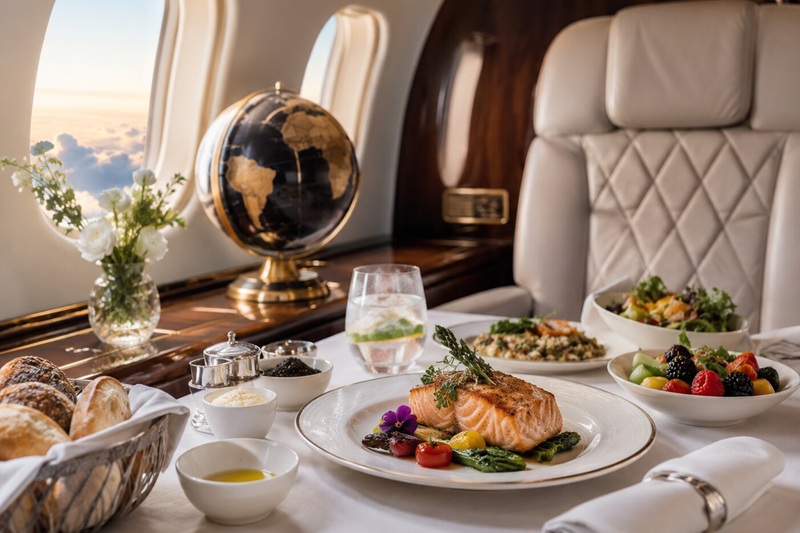
Luxury presentation has traditionally relied on materials that conflict with sustainability goals. The industry is now embracing alternatives that would keep visual appeal without wasting anything.
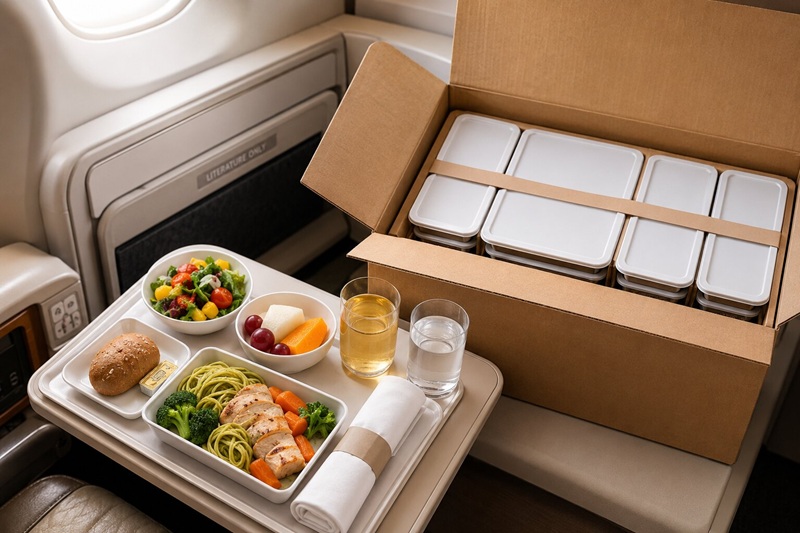
Compostable servingware made from sugarcane fibre, bamboo and other plant based materials is now equal in sophistication to traditional ceramics. Reusable glass containers and stainless steel utensils are becoming the standard for many routes where proper sanitation protocols ensure safety and hygiene.
Packaging design takes into account the whole lifecycle. Caterers assess whether or not materials can be composted at destination airports, recycled through special programs or returned for washing and reuse.
Some operators have adopted reverse logistics schemes in which some serviceware is brought back to catering facilities to be cleaned instead of discarded. It is particularly effective on regular routes with consistent aircraft schedules. The shift extends to food packaging itself.
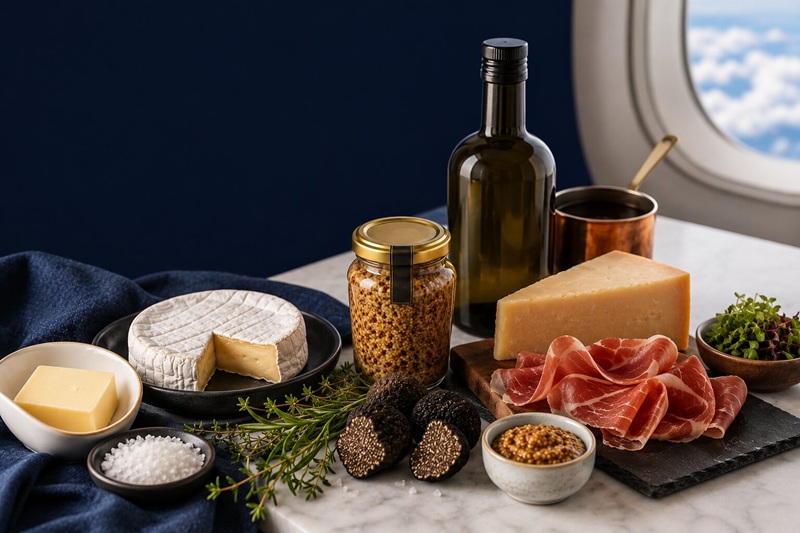
Beeswax wraps are used instead of plastic films for cheese and charcuterie, while glass jars are used instead of single-use plastic containers. Even luxury chocolates and amenities come in biodegradable or recyclable packaging that can be kept by clients or disposed of responsibly.
How Technology Helps Reduce Waste and Improve Efficiency
Digital ordering platforms enable precise portion planning based on passenger preferences shared prior to departure. This decreases overproduction and associated waste. Advanced inventory management systems monitor the freshness of ingredients in various airport locations, which ensures optimal rotation and minimized spoilage.
Predictive analytics helps inflight catering companies better predict demand patterns, especially useful for seasonal routes and special events. By using historical data from other similar flights, catering staff can prepare suitable quantities without excess. Some platforms now have machine learning to improve the predictions as they collect more operational data through 2025 and into 2026.
Cold chain optimization reduces energy consumption throughout storage and transport. Furthermore, smart monitoring systems keep temperatures under tight control with minimal refrigeration cycling, while route planning software finds the most fuel-efficient routes between catering facilities and aircraft.
Related: The Future of Inflight Catering: How Technology is Transforming Airline Meals
Why Sustainable Catering Makes Good Business Sense
Environmental initiatives drive both ethical and commercial value. Ultra high net worth individuals tend to increasingly match the purchasing decision with personal values and sustainability has become a differentiator in VIP service selection. Flight departments are now adding environmental criteria to their catering vendor evaluations in addition to quality and reliability metrics.
Cost efficiencies emerge from waste reduction and optimized operations. While sustainable packaging might cost more to produce, reduced disposal fees and better brand positioning often make up for initial investments. Long-term supplier relationships focused on sustainability also ensure pricing stability as commodity markets fluctuate.
Regulatory compliance creates further motivation. Several jurisdictions are imposing stricter waste management requirements for aviation operations, with penalties for non-compliance. Proactive caterers who establish sustainable practices now position themselves advantageously as regulations tighten through 2026 and beyond.
Ready to experience sustainable luxury aviation catering? Contact Dark Wing Inflight today to explore how our global network of premium partners delivers environmentally responsible VIP private jet catering services across airports worldwide, with 24/7/365 multilingual service that never compromises on quality or presentation.
Also Read: Reducing Food Waste in Inflight Catering: A Step Towards Sustainability
Frequently Asked Questions
Q1- How do VIP caterers maintain luxury standards when using sustainable materials?
Sustainable VIP catering has come a long way since the early compromises between environmental responsibility and luxury presentation. Modern plant-based servingware competes with traditional materials in both aesthetics as well as functionality, with manufacturers creating sophisticated designs specifically for high-quality aviation service.
Items made from bamboo, palm leaf and sugarcane fibre now have elegant finishes as well as structural integrity that is suitable for fine dining presentations. Dark Wing Inflight works with suppliers who specialize in high-end sustainable products, which ensures that every meal has the visual impact and tactile quality that clients expect.
The most important aspect is careful consideration of the materials used and the presentation design that considers sustainability as an enhancement, not a limitation. Many of the ultra-high-net-worth travelers actually prefer sustainable options when properly executed and view them as a mark of sophistication rather than a compromise.
Q2- What happens to sustainable packaging after the flight?
Post-flight handling depends on the airport infrastructure and the type of material. Compostable items ideally end up at industrial composting facilities, which process plant-based materials into nutrient-rich soil amendments in a matter of weeks. However, the availability of such facilities differs around the world, so caterers need to develop location-specific disposal strategies.
Reusable items are brought back to the catering facilities through reverse logistical systems for professional cleaning and quality inspection prior to returning to service rotation. Recyclable materials connect with dedicated aviation recycling programs that separate and process metals, glass and compatible plastics based on local capabilities.
Since leading VIP inflight caterers have detailed protocols for each airport in their network, the ground crew is trained on proper sorting and disposal procedures. Some facilities partner with environmental organizations to measure waste diversion rates and continually improve sustainability performance.
The most sophisticated operations are now using digital tracking to monitor the packaging lifecycle from sourcing to final disposition. This provides clients with transparent and accountable data.
Q3- Does sustainable sourcing limit menu variety for international flights?
Sustainable sourcing actually adds to the creativity of the menu as it encourages chefs to work with seasonal ingredients at peak quality and develop regional specialties that reflect departure points. Rather than shipping the same luxury ingredients around the world throughout the year, progressive caterers embrace location-based menu design, which celebrates local culinary traditions and agricultural strengths.
This approach requires sophisticated planning and solid relationships with suppliers across multiple continents, which is exactly what Dark Wing Inflight offers with our network of premium partners across airports around the world.
The 24/7/365 service model enables coordination between regions in order to maintain the same quality of service regardless of season or location. Clients enjoy authentic regional cuisine cooked with ingredients at their absolute best, often discovering new favourites while helping to achieve environmental goals.
Q4- How can I request sustainable catering for my private flights?
Requesting sustainable VIP private jet catering services begins with open communication with your flight department or with your catering provider directly. Specify your environmental priorities e.g., local sourcing, zero-waste packaging, organic ingredients or carbon-neutral delivery when placing orders.
Leading caterers have detailed sustainability profiles for their operations and can give specific details about how each menu fits the environmental criteria. For regular routes, the process of establishing standard preferences makes the process more streamlined and also ensures consistency across flights.
Dark Wing Inflight provides tailored sustainability advice for clients seeking comprehensive green catering programs, including ingredient traceability reports and environmental impact assessments.
Contact our team on [email protected] or call +442045770985 to discuss your specific requirements and create a tailored, sustainable catering plan that counts as luxury but at the same time, supports your environmental commitments.