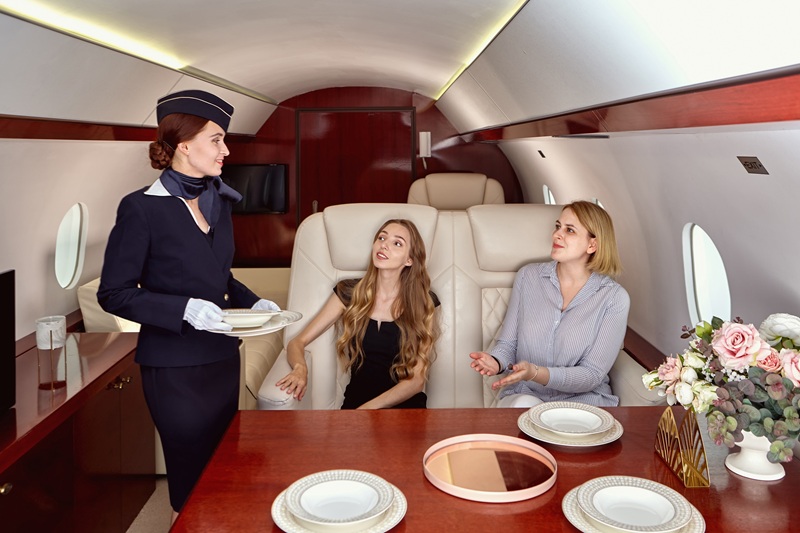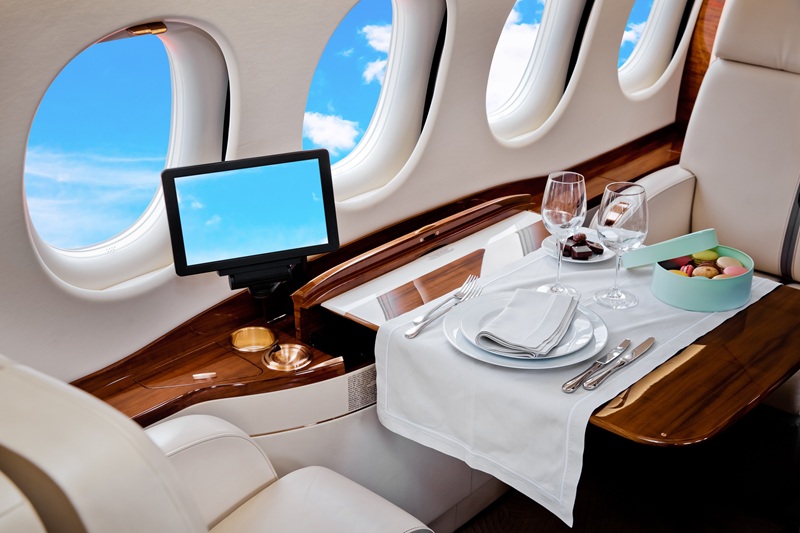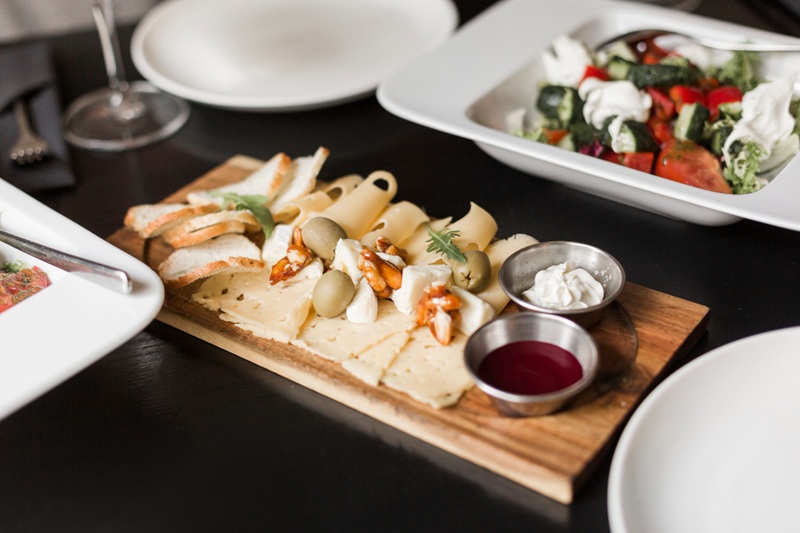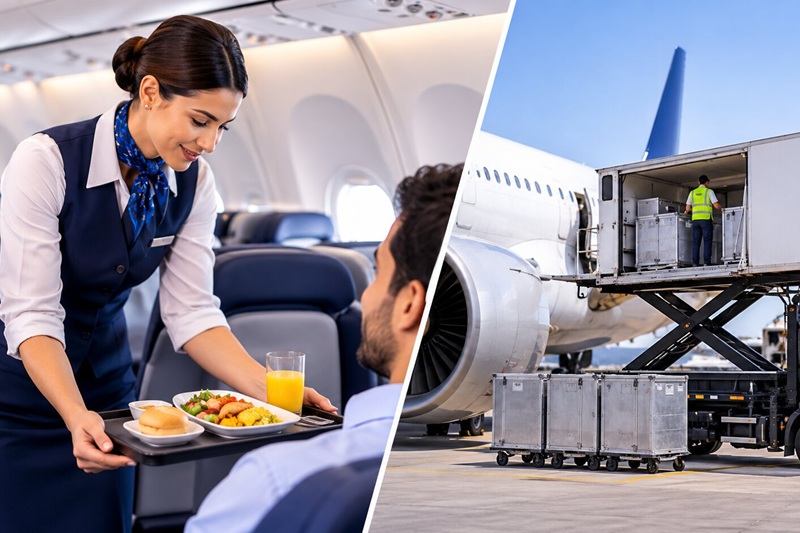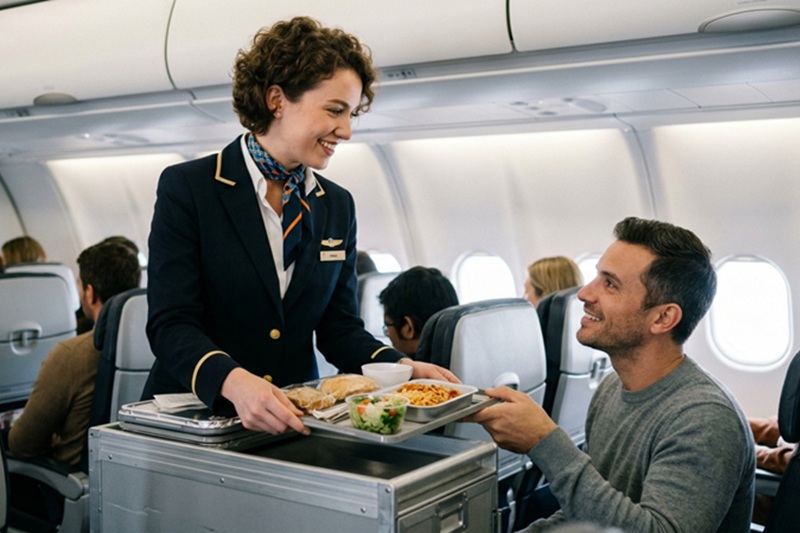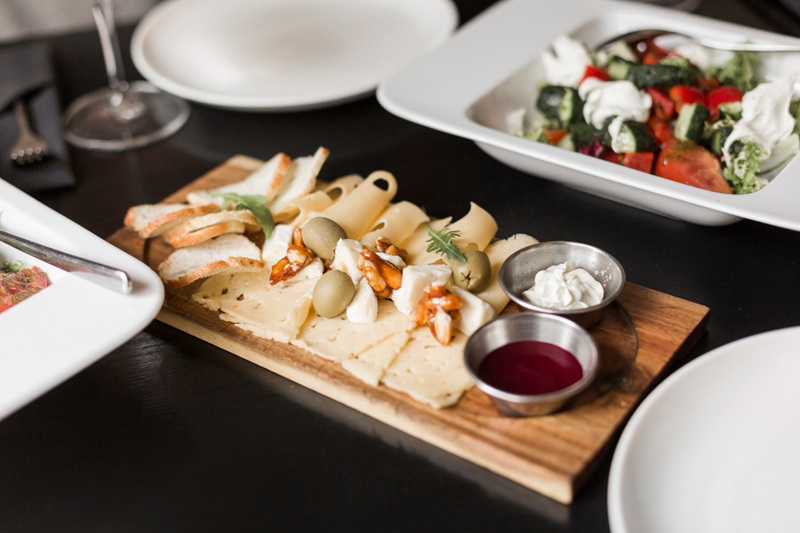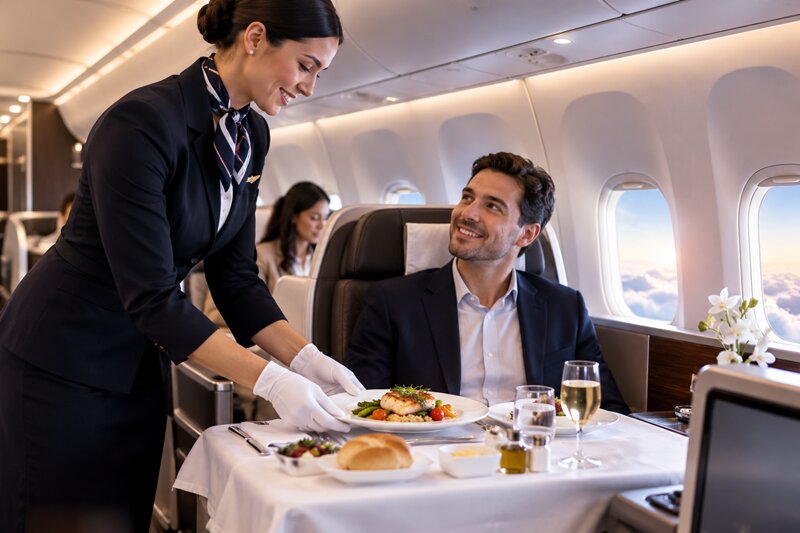
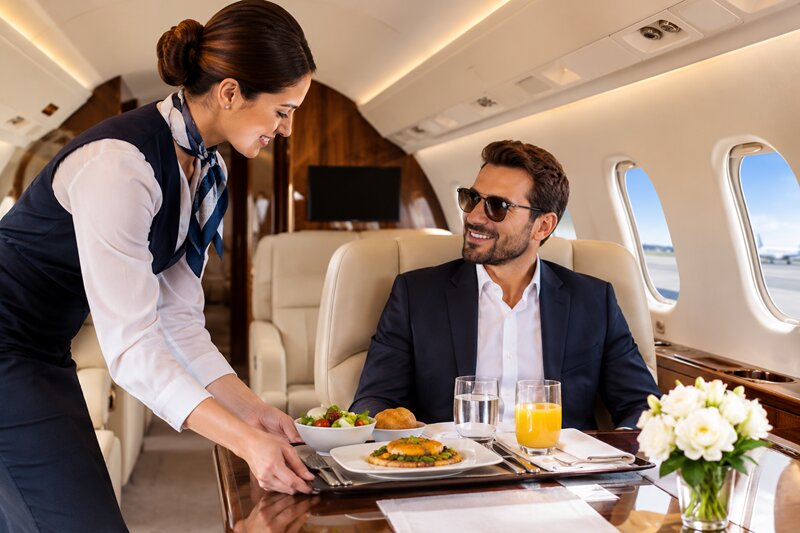
A Gulfstream is due out of Teterboro at 06:40 with eight passengers. Two keep kosher. One has a severe nut allergy. The catering request went out at 23:10 the night before, sent by a crew member who had never operated from that airport. Nobody is asking what is on the menu. The real question is how the order reaches the aircraft on time, at a safe temperature, packed for a galley with one small oven.
That gap is what this guide closes. It explains how to order inflight catering for a private aircraft in a sequence that holds up at any airport, from Van Nuys to Nice to Riyadh. Each step covers the action and the reason behind it, so flight departments, brokers and assistants can get the order right the first time.
Why the ordering process matters more in 2026
Business aviation is busier than it has been in years. According to the GAMA 2025 Aircraft Shipment and Billing Report, manufacturers delivered 854 business jets in 2025, an 11.8 percent rise on the previous year. More aircraft on the ramp means more competition for kitchen capacity, handler slots and refrigerated van time during peak departure windows.
Regulation is tightening at the same time. In March 2025 EASA announced the first EU wide ground handling safety regulations, with a three year compliance window. Catering reaches the aircraft through the turnaround these rules govern, so European handlers are becoming more formal about who delivers what airside, and when.
Step 1: Confirm the flight details before anything else
Every reliable order starts with the operational facts. Caterers plan packaging, portioning and delivery around them, so gather these first:
- Aircraft registration and type, since galley space on a Phenom 300 and a Global 7500 differ enormously.
- Departure airport, FBO or handler, and the stand if known.
- Estimated time of departure in local time, with the time zone stated.
- Passenger count, plus crew meals, which are often forgotten.
- Sector length and any technical stop; a 12 hour Los Angeles to Tokyo flight needs two services, not one.
- Galley equipment on board: convection oven, microwave, chiller, or none at all.
Why this comes first: a caterer who knows there is no oven will not send a beef Wellington. Next, search the airport directory by ICAO code, IATA code or city to confirm coverage at your departure point, including secondary and military airfields.
Step 2: Brief passenger preferences, allergies and cultural requirements
Treat the passenger brief as a safety document, not a wish list. Allergies, intolerances and religious dietary laws must be written down, never passed on verbally through a chain of three people.
A good brief covers:
- Medical restrictions: nut, shellfish, gluten, dairy, and the severity of each.
- Religious and cultural diets: halal, kosher, Jain, Hindu vegetarian, with certification needs stated.
- Principal preferences: favourite dishes, disliked ingredients, preferred cuisine, portion size.
- Service style: plated courses for a cabin attendant, or boxed meals for a crew served flight.
- Timing context: a Riyadh departure during Ramadan may need iftar packed separately.
Why it matters: cultural accuracy is part of the service, not an add on. Sourcing certified halal lamb in Jeddah or certified kosher meals in Geneva is a different job from offering a vegetarian option. The rules of catering on private jets explain what can and cannot be carried into different jurisdictions.
Step 3: Choose the provider and build the menu
A specialist inflight catering service does three things a hotel kitchen cannot do alone. It packs for altitude and reheating. It documents HACCP compliance for the handover. And it adapts the dish to the galley rather than the other way round.
When building the menu, work in this order:
- Start with the dish the principal will remember, usually the main course on the longest sector.
- Add what travels well: cured proteins, grain salads, firm cheeses, whole fruit.
- Decide hot or cold per item based on the oven, then add staples that cover a delay: bread, nuts, yoghurt, water, tea and coffee.
This is where network depth pays off. Dark Wing Inflight works with more than 2,800 vetted partners, including Michelin star chefs, five star hotels and VIP caterers, across 2,000 plus airports in 135 countries, with a multilingual operations team available 24 hours a day, 365 days a year. The private jet catering service page outlines standard inclusions and how bespoke menus are handled for royal, presidential and corporate flights.
Step 4: Place the order with the right lead time
Lead time is the biggest predictor of a smooth delivery. The timings below are planning guidance rather than fixed rules.
- Standard orders at a major business aviation airport such as Farnborough, Le Bourget or Dubai Al Maktoum: around 24 hours.
- Complex VIP menus, large passenger counts or certified religious meals: 48 to 72 hours.
- Remote or challenging destinations such as Malé, Lagos or Ulaanbaatar: 72 hours or more, since sourcing and airside access take longer.
- Short notice: often possible at major hubs through established partners, with a narrower menu.
When you place an order online, send the flight details from Step 1 and the passenger brief from Step 2 together. Then check the written quote covers each line below before approving it:
- Itemised menu with quantities per passenger and per crew member.
- Delivery time, delivery point and the handler or FBO contact receiving it.
- Packaging format, labelling of allergens, and reheating instructions for the crew.
- Pricing in your preferred currency and the invoicing route.
Written confirmation turns a conversation into a document the crew can check against on the ramp.
Step 5: Manage delivery, ramp handoff and temperature control
Food safety on the ground decides food safety in the air. Guidance from the USDA Food Safety and Inspection Service identifies 40°F to 140°F as the temperature range in which bacteria multiply fastest, with perishable food kept out of that range beyond two hours considered unsafe. A delivery left on a hot apron while the aircraft is towed from a hangar can breach that window unnoticed.
A disciplined handoff looks like this:
- Refrigerated or insulated transport from kitchen to aircraft, with a high loader for larger types.
- Sealed, labelled containers showing flight number, passenger name where relevant and preparation time.
- A named crew member or handler checks the order against the confirmation and notes the time.
- Any aircraft or crew delay is reported to the caterer so chilling can be extended.
This matters most at challenging destinations. At Teterboro the van is ten minutes away. At a remote African or Central Asian airfield the chain is longer and the apron hotter, so the margin for error is smaller.
Common mistakes that delay private jet catering orders
- Giving the departure time in UTC without saying so, which sends meals to the aircraft hours early.
- Omitting allergen information because “the principal will not eat that anyway”.
- Assuming a small airport means no catering, when a specialist network usually has a partner within reach.
Ordering with confidence
Ordering catering for a private aircraft is a process, not a phone call. Confirm the flight facts, write a passenger brief that treats allergies and cultural requirements as safety items, build the menu around the galley, give the kitchen enough lead time, and insist on a documented handover at the aircraft. Follow that sequence and the result is consistent at Nice in August or Ulaanbaatar in January.
If you are still comparing options, start by checking coverage at your most frequent departure airports and reviewing sample menus for the aircraft types in your fleet. If you have a flight on the board now, the Dark Wing Inflight operations team is available around the clock in multiple languages. Call +44 204 577 0985, message WhatsApp +33 787 346 458, or email info@darkwinginflight.catering with your flight details and passenger brief, and a written quote will follow.
Frequently asked questions
How far in advance should I order catering for a private jet?
Order at least 24 hours ahead for standard menus at major business aviation airports, and 48 to 72 hours for complex VIP menus, certified religious meals or remote destinations. Shorter notice is often possible at hubs such as Teterboro, Farnborough or Dubai, with a narrower menu.
Can I order inflight catering at a small or remote airport?
Yes, in most cases. A provider with a global partner network can source from the nearest qualified restaurant, hotel or caterer and arrange airside delivery. Remote fields in Africa, Central Asia and island destinations need more lead time, typically 72 hours.
What information does a caterer need to quote a private jet order?
Aircraft type and registration, departure airport and handler, local departure time, passenger and crew numbers, sector length, galley equipment, dietary restrictions and service style. With these details a caterer can quote accurately in one exchange instead of several.
How is food kept safe between the kitchen and the aircraft?
Through HACCP based preparation, chilled or insulated transport, sealed and labelled containers, and a documented handover to the crew or handler. The goal is to keep perishable items out of the 40°F to 140°F range and to limit time at ambient temperature to well under two hours.
Can one supplier handle catering for a multi leg international trip?
Yes. A provider with partners at each airport on the routing can coordinate every leg under one brief, one contact and one invoice, so a London to Dubai to Singapore passenger receives consistent quality and the flight department gets consolidated billing.