Most of What We Taste, We Actually Smell
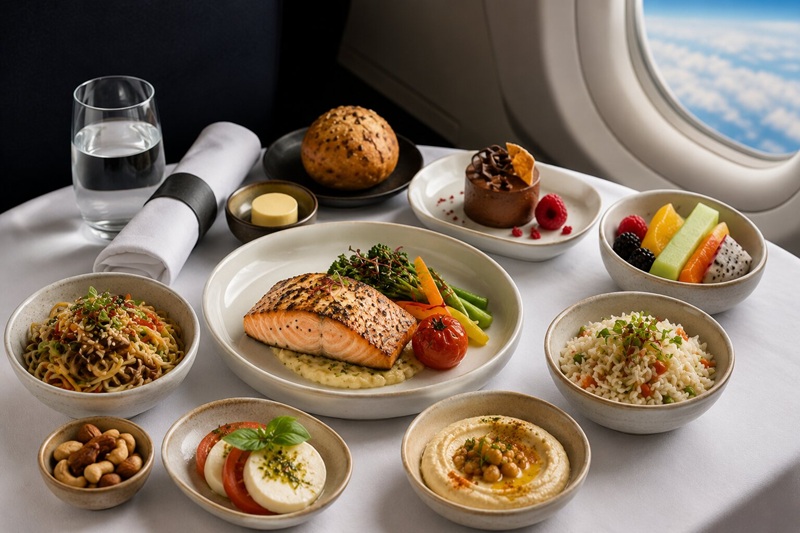
When a passenger takes the first bite of a perfectly seared lamb chop at 42,000 feet, the flavor they experience is not determined by their tongue alone. Research in multisensory perception has demonstrated that a significant majority of what we perceive as taste is actually driven by our sense of smell. The olfactory system processes hundreds of volatile compounds released by food, and these aromatic signals combine with basic taste receptors to create the full experience of flavor.
In a private jet cabin, this relationship between aroma and taste becomes critically important. The pressurized environment, reduced humidity, and recirculated air all suppress olfactory function, which means passengers are physiologically less capable of detecting the aromatic compounds that make food taste rich and satisfying. For anyone involved in private aviation catering, understanding the role of aroma is a practical necessity for delivering food that tastes as intended at altitude.
What Happens to Your Sense of Smell at Cruising Altitude
At typical cabin pressures equivalent to 6,000 to 8,000 feet, several physiological changes affect aroma perception. The low-humidity cabin air dries out the mucous membranes lining the nasal passages. These membranes are essential for trapping volatile aromatic molecules. When they dry out, the nose becomes less efficient at detecting scent, and flavor perception drops.
This is the same effect you experience when eating with a head cold. The food has not changed, but your ability to smell it has been reduced. In a pressurized cabin, this suppression is milder but constant, affecting every meal served from takeoff to landing.
Research has also confirmed that constant background engine noise independently suppresses taste perception, particularly for sweet and salty flavors. The combination of reduced air pressure, low humidity, and ambient noise creates a challenging sensory environment where food that tasted exceptional on the ground can feel underwhelming in the air.
Why Aroma-Forward Ingredients Perform Better at Altitude
Given the constraints of the cabin environment, the most effective approach to inflight menu design is prioritizing ingredients and preparations naturally rich in aromatic compounds. These are foods that engage the olfactory system powerfully enough to cut through the sensory suppression caused by altitude.
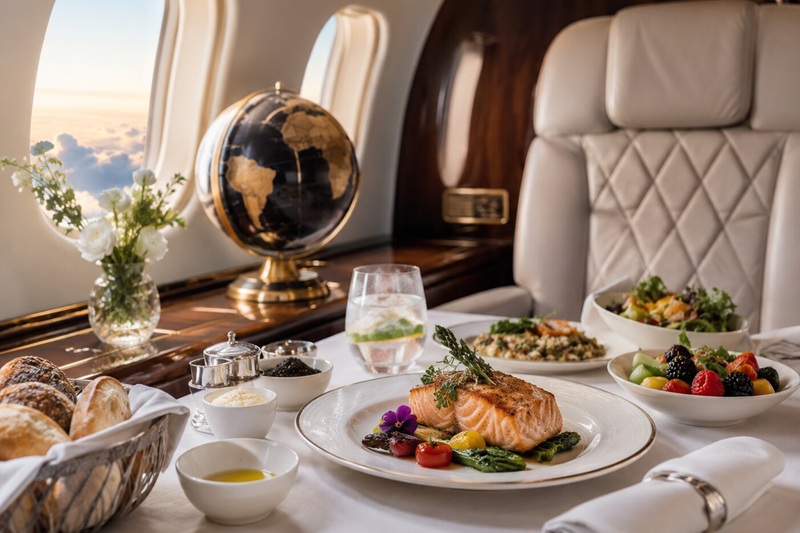
Ingredients that perform well in the air include herbs with high concentrations of essential oils, such as rosemary, thyme, basil, and lemongrass. Spices like cardamom, star anise, cinnamon, and smoked paprika release strong aromatic compounds even in dry conditions. Umami-rich ingredients including aged Parmesan, miso, soy-based glazes, and roasted tomatoes deliver depth through both taste and aroma pathways, making them especially effective at altitude.
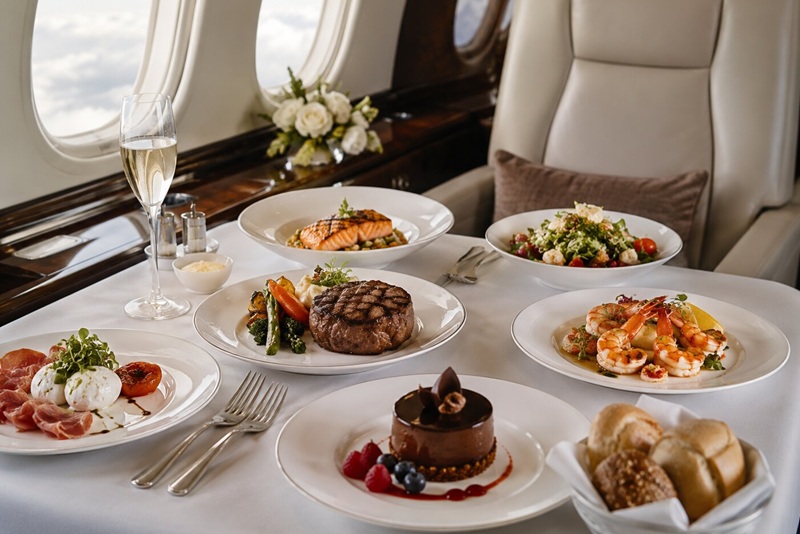
Asian-inspired preparations, which frequently combine aromatic herbs, fermented ingredients, and spice blends, have been noted to hold up well under cabin conditions. Mediterranean dishes built around olive oil, garlic, citrus zest, and fresh herbs also maintain their aromatic profile at altitude. Dark Wing Inflight's network of 2,800+ restaurants, VIP caterers, and Michelin-star chefs across 135 countries sources these kinds of regionally authentic, aroma-rich preparations at the point of departure, ensuring that inflight menus reflect both local culinary traditions and altitude-aware recipe design.
Managing Aroma in a Pressurized Cabin: The Other Side of the Equation
Aroma in the cabin is a double-edged consideration. While aromatic food enhances the dining experience, certain smells become overpowering in a sealed, pressurized environment with recirculated air. What smells pleasant on the ground can become unpleasantly intense at altitude.
Foods that present the highest aroma risk in a private jet cabin include heavily garlic-forward preparations, strong blue cheeses, oily fish like sardines, and dishes cooked with pungent spice pastes. The recirculated air system does not eliminate these odors quickly, and on longer flights, accumulated aromas can make the cabin uncomfortable.
The balance lies in selecting ingredients that are aromatically engaging on the plate but controlled in the cabin. Fresh herbs release their aroma primarily when eaten. Citrus zest activates on contact. Smoked or roasted flavors deliver aroma during consumption without filling the cabin with persistent odors. Experienced private aviation caterers design menus that maximize the passenger's sensory experience while preserving the cabin atmosphere.
How Flight Attendants Can Use Aroma to Enhance Service
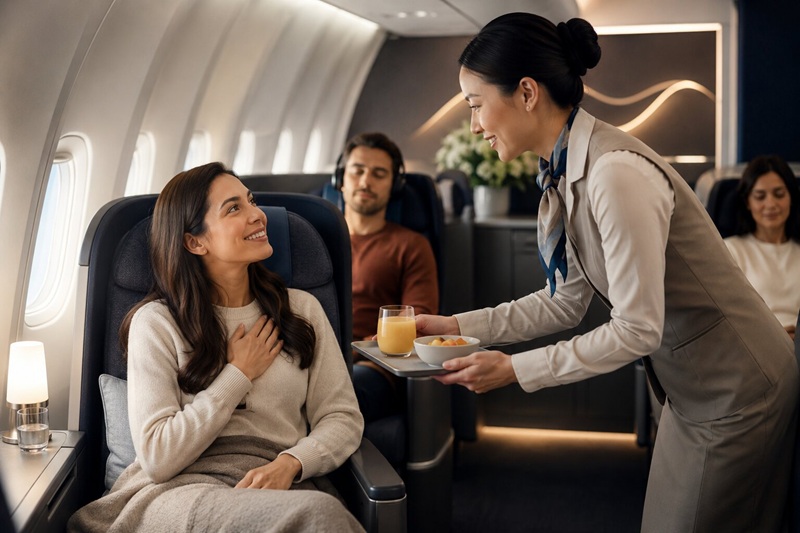
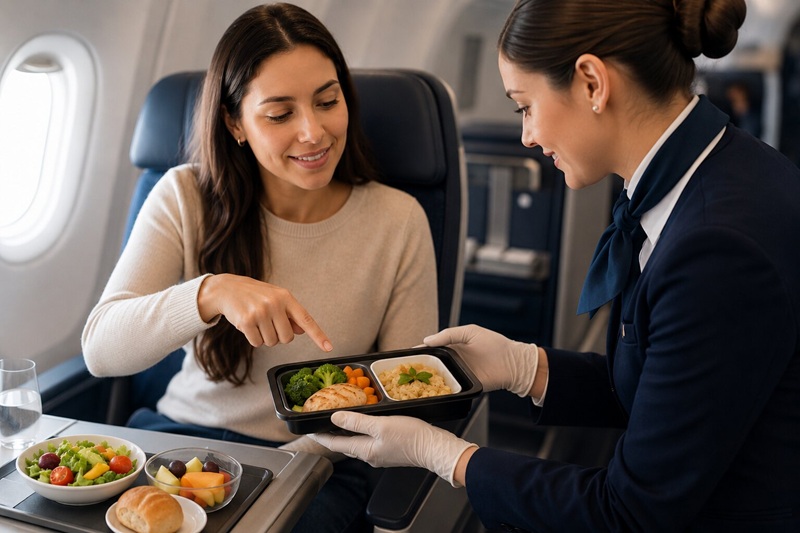
Corporate flight attendants have direct influence over how aroma shapes the passenger experience. The timing of when items are heated, how containers are opened, and the sequence of courses all affect how aromatic compounds disperse through the cabin.
A well-timed warm towel scented with a subtle citrus or eucalyptus note can reset the passenger's olfactory palate before a meal. Serving bread that has just been warmed, releasing its yeasty aroma, creates an immediate appetizing effect. Conversely, heating all courses simultaneously overwhelms the cabin with competing aromas and reduces the impact of each individual dish. Staggering service allows each course to present its own aromatic signature. For more operational guidance, our article on the rules of catering on private jets covers practical service techniques for cabin crew.
Beverage Aroma at Altitude: An Overlooked Opportunity
The aroma principle extends beyond food to beverages. At altitude, wines with subtle, delicate profiles lose their aromatic complexity, while full-bodied, fruit-forward varietals retain more character. Bold reds, aromatic whites like Viognier and Gewurztraminer, and sparkling wines with active effervescence tend to perform better inflight than delicate Pinot Noirs or light Chablis.
Coffee presents a particular challenge. Much of coffee's perceived flavor comes from aromatic compounds, and the cabin environment significantly mutes these volatile notes. Freshly brewed coffee served immediately delivers a stronger aromatic hit than coffee from a carafe. Herbal teas with naturally pungent aromas, such as peppermint, ginger, and chamomile, also offer a more satisfying sensory experience at altitude than lighter blends.
Designing Menus with Aroma as a Planning Input
The most forward-thinking inflight catering providers now treat aroma as a deliberate menu design input rather than a byproduct. This means building menus around ingredients that are known to retain aromatic strength at altitude, sequencing courses to manage the cabin's olfactory environment, and coaching flight attendants on heating and presentation timing. Dark Wing Inflight works with flight departments and cabin crew to design bespoke meal options that account for aroma performance at altitude, ensuring that every dish delivers its intended flavor profile in the air, not just on the ground.
This approach represents a shift from the traditional model where meals are designed at ground level and served at altitude with no adjustment. Passengers notice the difference even if they cannot articulate why one meal felt more satisfying than another. More often than not, the answer is aroma.
Frequently Asked Questions (FAQs)
Why does food taste different on a private jet at altitude?
The cabin environment at cruising altitude significantly affects taste perception. Reduced air pressure, low humidity, and background noise all suppress olfactory and gustatory function. Since a large portion of perceived flavor comes from the sense of smell, the dry cabin air that impairs nasal membranes is the primary driver. Food that tasted rich on the ground can seem flat at altitude, even when the recipe has not changed.
What types of food aromas work best during inflight dining?
Ingredients with high concentrations of volatile aromatic compounds perform best. Fresh herbs such as rosemary, thyme, and basil, along with spices like cardamom, star anise, and smoked paprika, deliver strong aromatic signals. Umami-rich foods including aged cheese, miso, and roasted tomatoes also maintain complexity at altitude. The key is choosing ingredients that are aromatically robust without being overpowering in an enclosed cabin.
Which foods should be avoided on private jets because of strong odors?
Heavily garlic-forward dishes, pungent blue cheeses, oily fish like sardines, and items prepared with strong fermented pastes should be avoided unless specifically requested. These foods release persistent aromas that linger in recirculated cabin air long after the meal is finished, interfering with passenger comfort during rest and work periods.
How can flight attendants use aroma to improve the passenger experience?
Flight attendants can stagger the heating of courses rather than warming everything at once, use scented warm towels before meal service, and time bread warming to coincide with the start of a course. Serving freshly brewed coffee immediately rather than from a carafe preserves aromatic impact. These small timing adjustments significantly improve how passengers experience inflight food.
Does wine taste different at altitude, and how should it be selected for inflight service?
Yes. The same environmental factors that suppress food aroma also affect wine. Delicate wines lose complexity at altitude, while bold, fruit-forward varietals and aromatic whites like Viognier retain more character. Sparkling wines benefit from effervescence that helps release aromatic compounds. Selecting wines for inflight performance rather than simply offering ground-level favorites improves the dining experience.
Final Thought
Aroma is the invisible architect of every inflight meal. It determines whether a dish tastes vibrant or flat, whether a wine feels expressive or dull, and whether the cabin atmosphere invites appetite or becomes overwhelming. For private aviation professionals who take the onboard experience seriously, designing around aroma is one of the most impactful tools available.